When Sewer Lines Back Up: A Homeowner’s Guide from HEP Technicians in Etowah
Plumbing Etowah Plumbing in Etowah
One of our clients in Etowah noticed their toilets and drains were refusing to clear, sending wastewater back into the home. After a quick exterior check, the HEP technician discovered a severe obstruction at the cleanout—prompting an emergency snaking service.
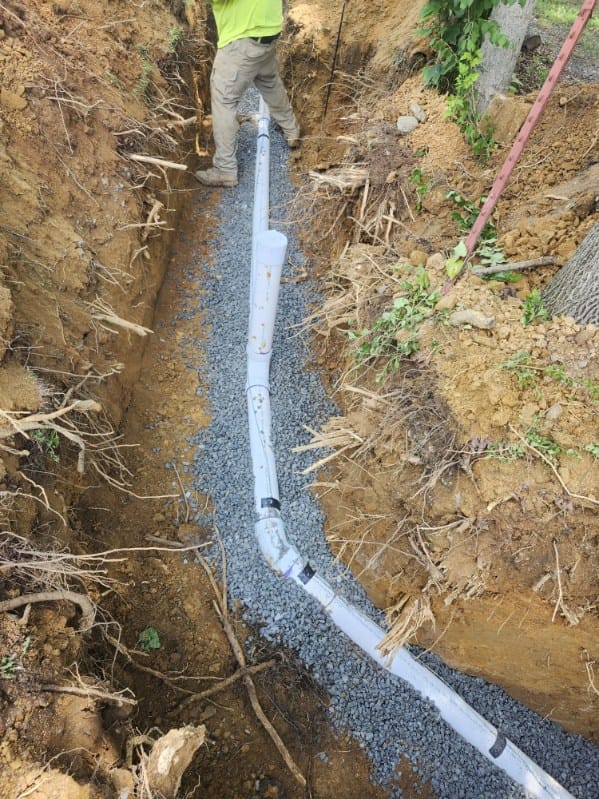
Though the initial root removal restored flow temporarily, it became clear the underground pipe had collapsed. The homeowner agreed to a full replacement: our team secured permits, carefully excavated the yard, installed a new PVC sewer line, passed the city inspection, and then restored the lawn. The result? A reliable, clog-free system and peace of mind.
1. Recognize the Warning Signs Early
Before a minor clog becomes a major headache, watch for:
- Slow Drains: Water pools in sinks, showers, or tubs.
- Gurgling Noises: Strange sounds from pipes when other fixtures are in use.
- Unpleasant Odors: Foul smells near drains or fixtures.
When you spot these clues, call a professional. An early visit from a HEP technician can often clear debris before costly repairs are needed.
2. Snaking vs. Replacement
A plumbing snake is a flexible tool used to break up blockages deep in the main line. It’s a quick way to restore flow, but:
- If roots, broken pipe sections, or repeated clogs reappear, the line may be compromised.
- A collapsed or heavily damaged pipe requires replacement rather than another snaking service.
HEP technicians always explain both options—repair or replace—so you can choose what’s best for your home.
3. What to Expect During Excavation
When a section of sewer line needs replacing, the process usually looks like this:
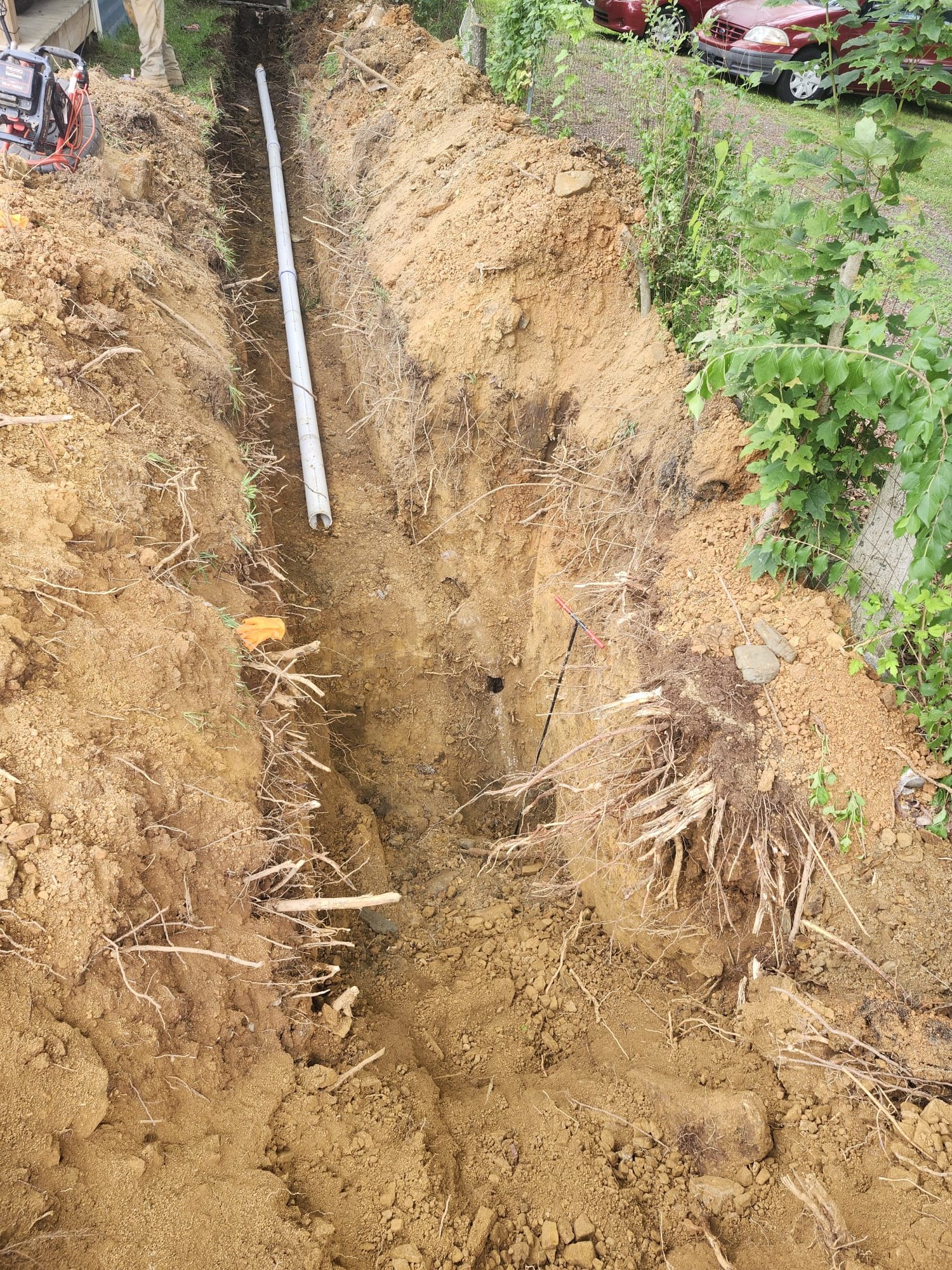
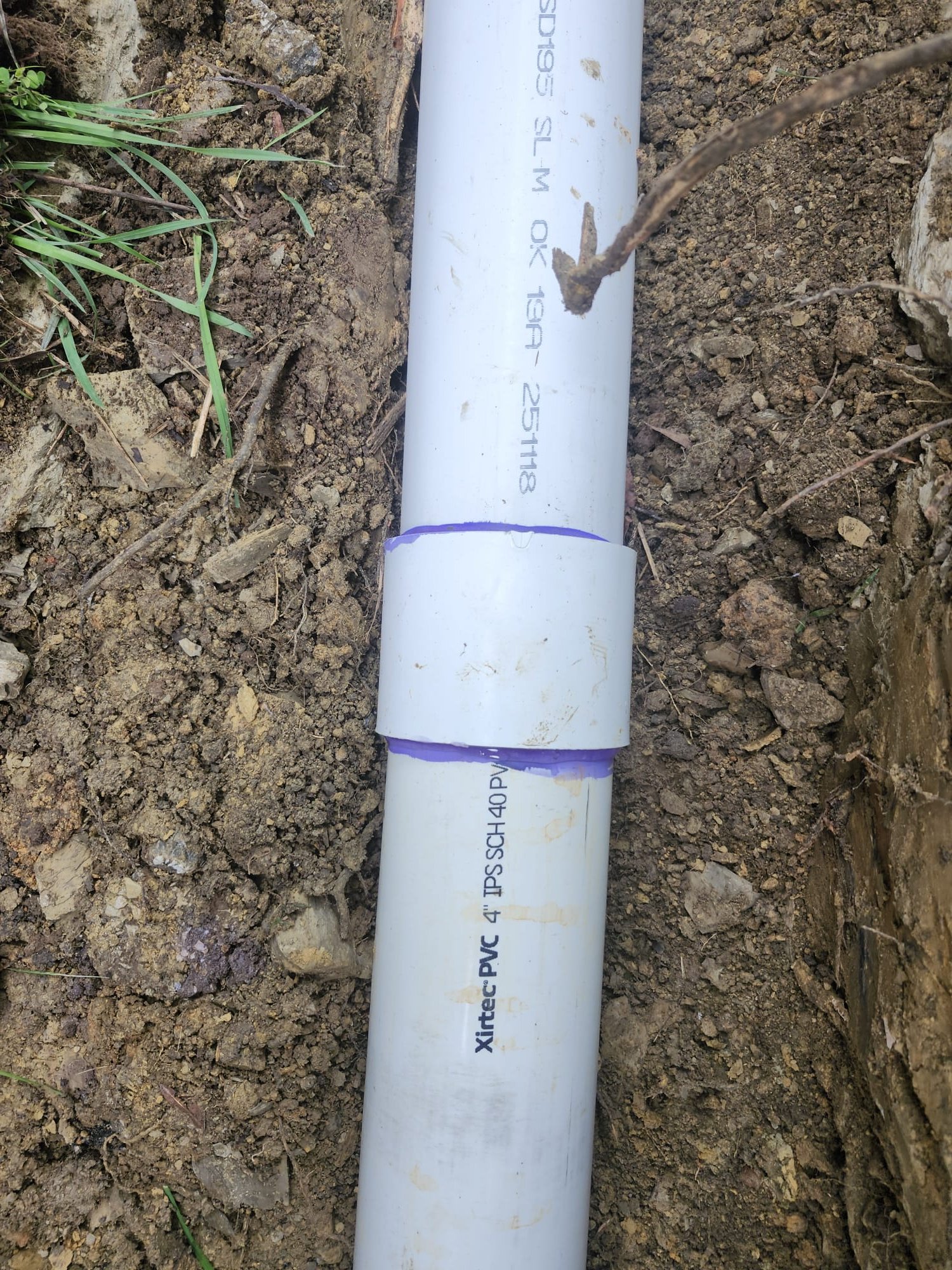
- Technicians mark underground utilities and dig a trench along the line.
- Old piping is removed and replaced with durable, code-compliant PVC.
- Joints are sealed with primer and cement to prevent future leaks.
This in-ground work can be disruptive to your yard, but it’s essential for long-term performance.
4. Quality Materials Matter
Using the right bedding and connectors ensures a lasting installation:
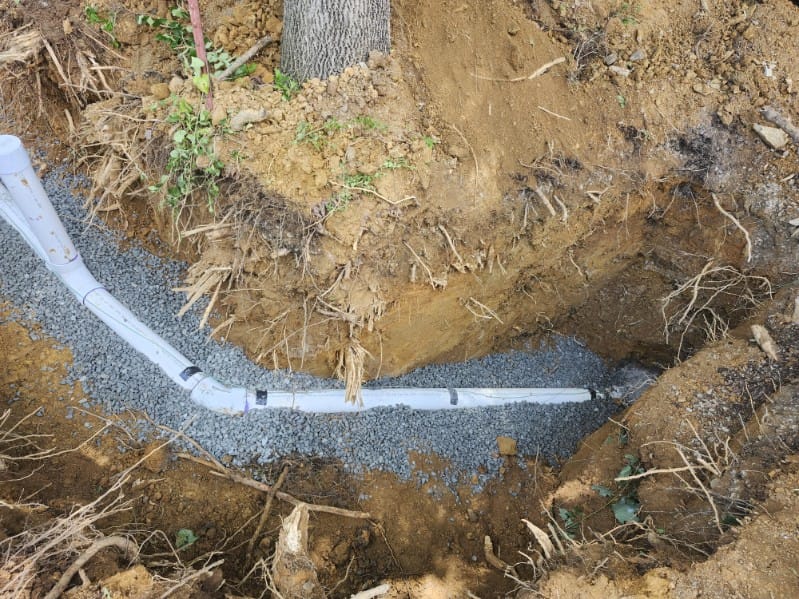
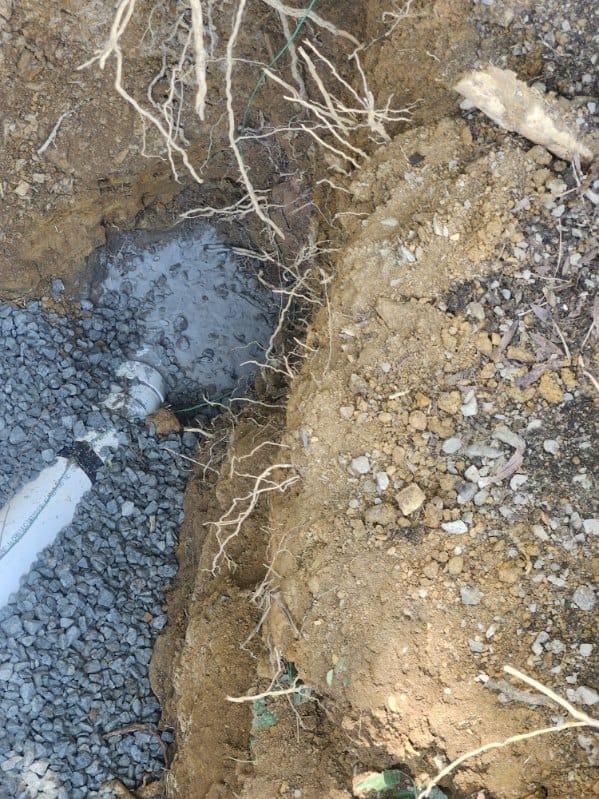
- Gravel Bedding: Stabilizes the pipe and encourages proper drainage around it.
- Secure Seals: Concrete or hydro-seal around fittings guards against ground movement.
Our HEP technician always follows local codes in Etowah, so your system is built to last.
5. Final Inspection and Yard Restoration
Once the new line passes inspection, it’s time to tidy up:
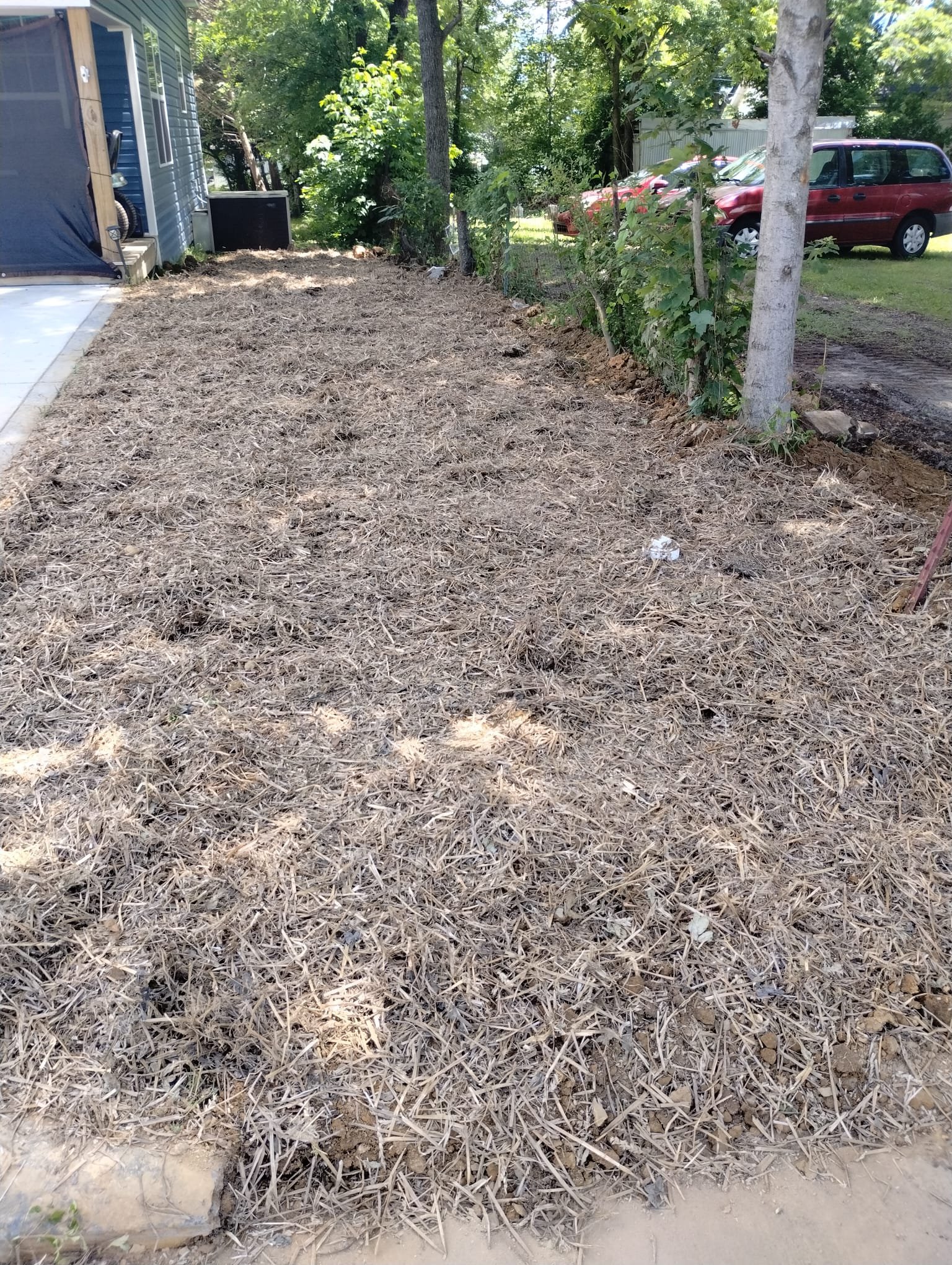
- Trenches are backfilled and compacted to prevent settling.
- Grass seed and straw or mulch help your lawn recover quickly.
- Driveways and walkways are swept clean of debris.
A clean finish means your property looks as good as—or better than—before the work began.
Bonus Tips for Homeowners
- Schedule Regular Check-Ups: Annual inspections can catch issues before they escalate.
- Know Your Cleanout Location: Easy access speeds up emergency visits.
- Avoid Harsh Chemicals: They can damage pipes and kill helpful bacteria in your system.
By understanding the process and working with experienced pros from HEP, you’ll keep your home’s plumbing flowing smoothly—rain or shine in Etowah.
Published on June 22, 2026