When Roots and Grease Threaten Your Septic System: A Success Story in New Tazewell
Plumbing New Tazewell Plumbing in New Tazewell
A homeowner in New Tazewell had faced slow-draining showers, water backing up behind a toilet, and gurgling noises for years. The situation had become more than an annoyance—it was affecting daily routines and raising concerns about long-term damage. After repeated attempts to clear the lines, they called in HEP technicians for a thorough check.
Summary of the Solution
HEP technicians performed a powerful line cleaning, uncovered the buried septic tank components, removed deteriorated concrete barriers, and installed new PVC fittings. Finally, they sealed everything against future root intrusion and restored the yard. The problem was resolved, and the system has run smoothly ever since.
How HEP Technicians Diagnosed the Issue
- Initial Cleaning: A HEP technician began with a high-pressure jetting of the main line to clear grease and debris.
- Inspection of Septic Tank Access: By locating and opening the cleanout plugs, the team discovered that tree roots were penetrating the inlet barrier and a broken outlet barrier was allowing solids to escape into the leach field.
- Evaluation of Barrier Health: Recognizing that concrete baffles can crack or wear over time, the technician confirmed that both inlet and outlet barriers needed replacement.
Steps to a Reliable Repair
1. Excavation and Removal
The HEP team carefully dug around the buried tank lids and old barrier openings, exposing the compromised sections without disturbing nearby landscaping.
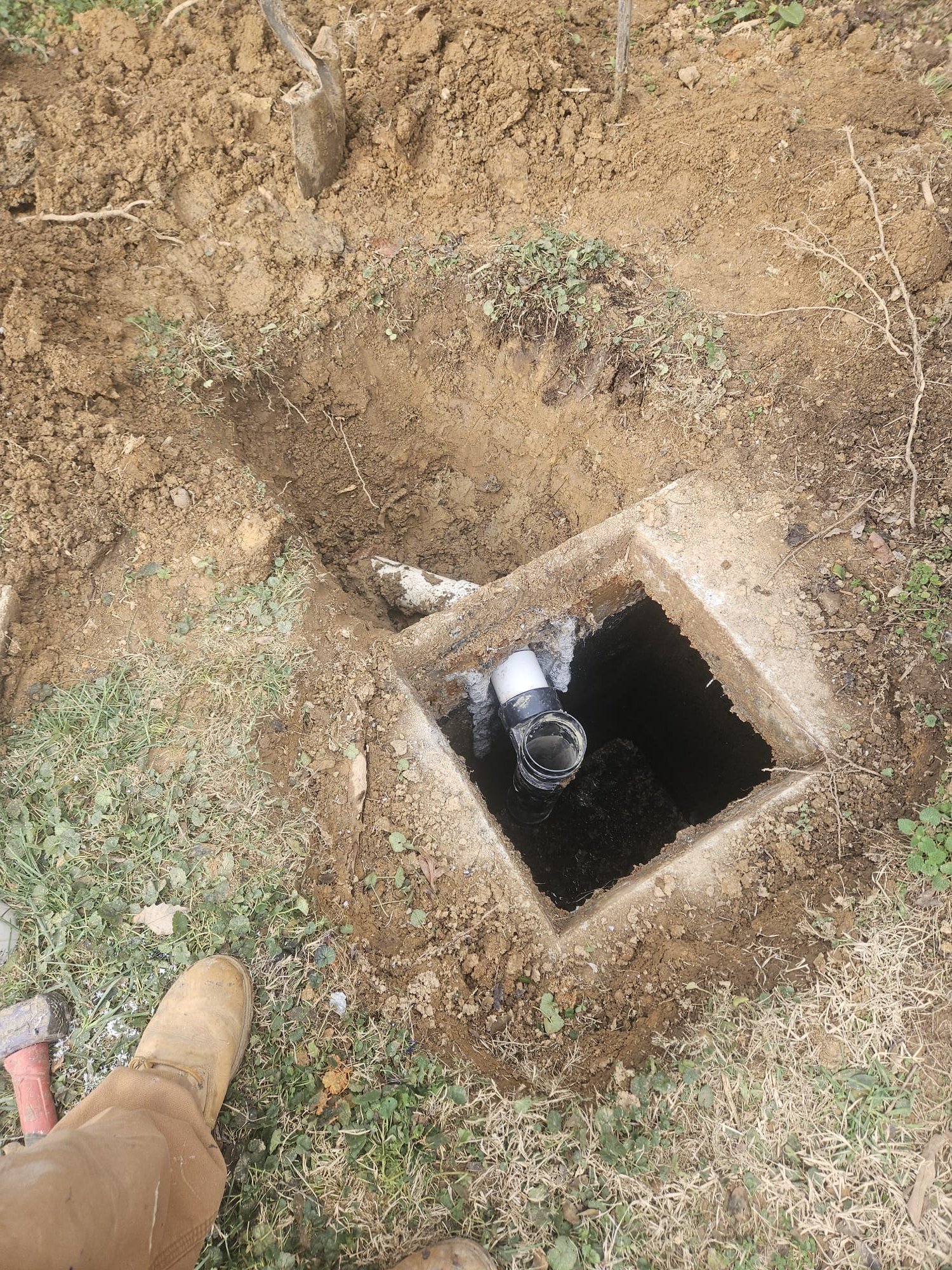
They chipped away the broken concrete baffles, clearing out old material and root growth to prepare for new fittings.
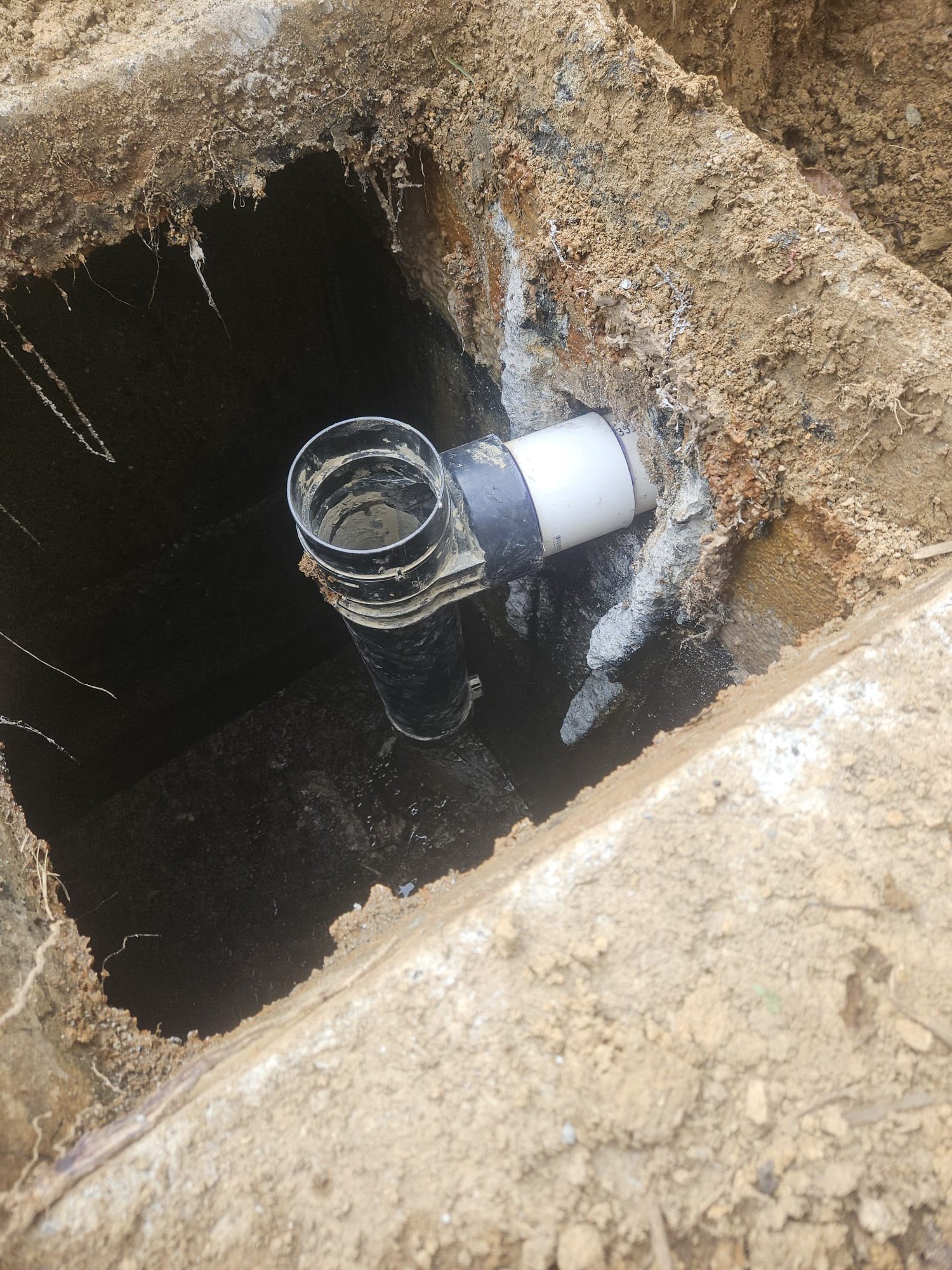
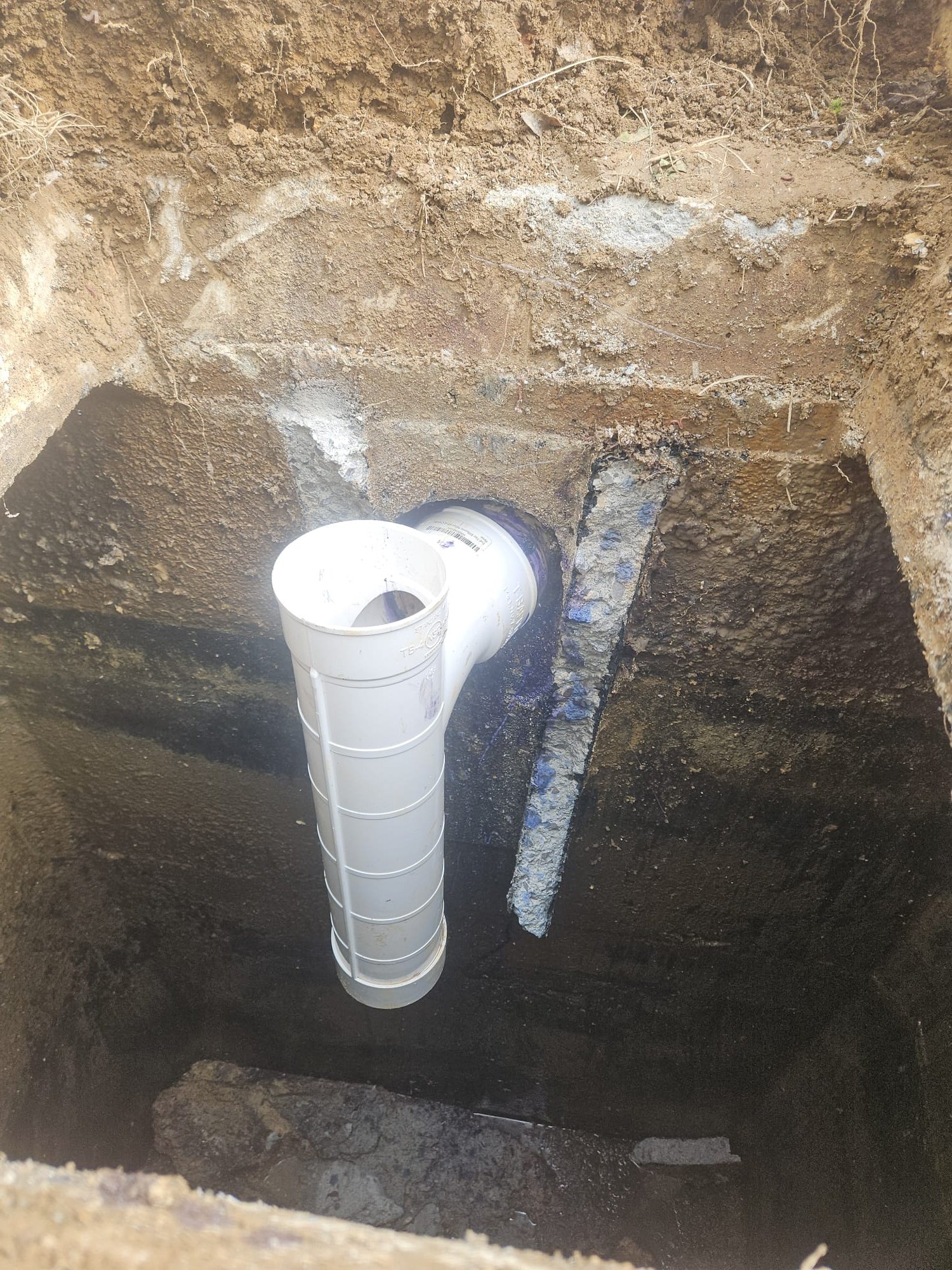
2. Installing Durable PVC Tees
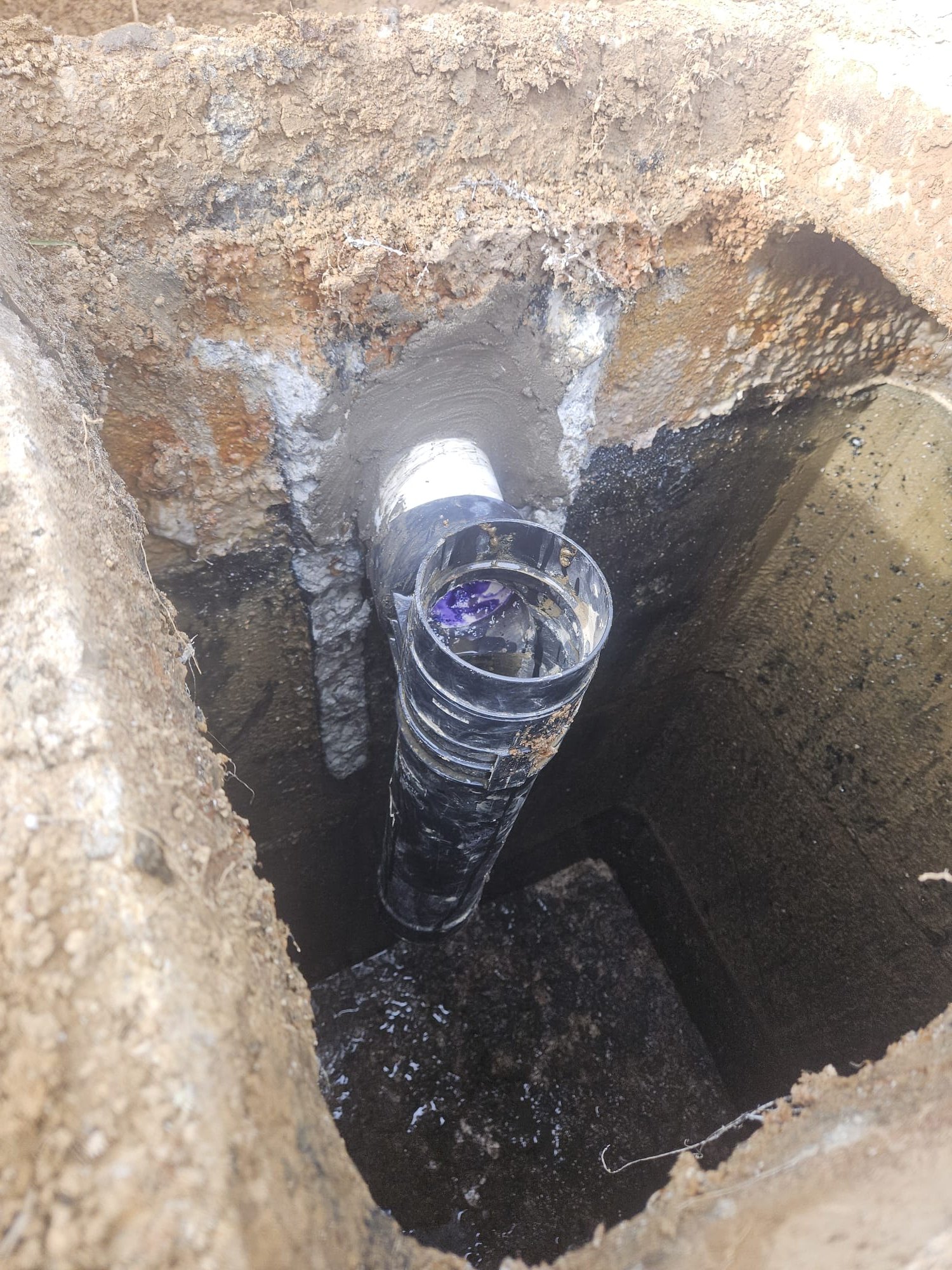
Rather than reinstalling fragile concrete baffles, the technicians fit 4-inch PVC tees at both the inlet and outlet locations. PVC resists root intrusion and provides a long-term barrier against solids.
3. Sealing and Protective Measures
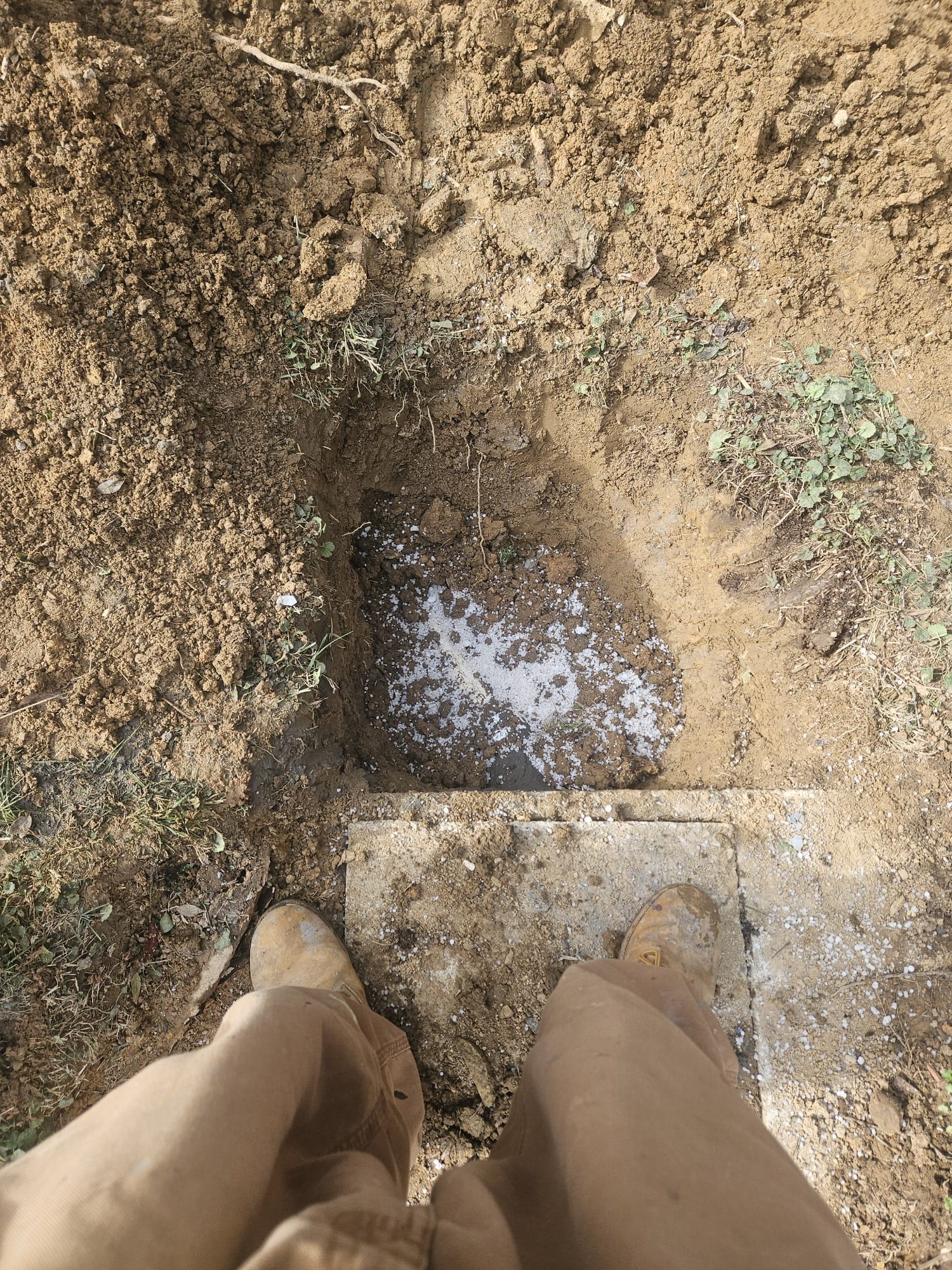
After setting the new fittings, HEP technicians applied waterproof sealant around each penetration. To discourage future root growth, they scattered salt around the junctions before backfilling and seeding.
Homeowner Tips to Keep Your Septic Flowing
- Schedule Regular Jetting: Even if everything seems fine, a yearly high-pressure cleaning can prevent grease buildup and minor blockages.
- Monitor Tree Placement: Keep large trees and shrubs well away from septic components. Roots naturally seek moisture and can infiltrate tank barriers.
- Use Grease Traps and Strainers: Avoid pouring cooking fats or sending hair and soap curds down your drains. These substances can accumulate in the tank inlet or pipes.
- Check Cleanout Access: Ensure your cleanout caps are visible and accessible in case of emergencies.
Why Professional Inspections Matter
What may start as a small clog can lead to costly excavation or damage to your drain field. HEP technicians combine specialized tools, quality materials, and experience to diagnose hidden issues and implement long-lasting solutions. For residents of New Tazewell, relying on licensed professionals ensures peace of mind and protects your home’s plumbing health.
Whether you’re battling slow drains or preparing for preventive maintenance, understanding what happens beneath the surface can help you avoid surprises. Keep these tips in mind, and don’t hesitate to reach out to your local plumbing experts when serious issues arise.
Published on January 28, 2026