Smart Water Heater Solutions for Apison Homeowners
Our Plumbing experts in Apison specialize in Plumbing in Apison.
Case Study: Leaks in a Bedroom Closet
A homeowner in Apison noticed water pooling beneath a small electric water heater tucked inside a bedroom closet. The tank, well past its expected lifetime, was seeping from several connections and starting to damage nearby flooring. Concerned about more serious water damage, they reached out to a trusted local team.
How It Was Solved
A HEP technician arrived promptly to assess the problem and the tight space. After careful measurements, the technician recommended replacing the old unit with a tall‐profile 40-gallon electric heater designed for narrow closets. The work included:
- Removing the old, leaking tank and hauling it away for recycling
- Installing a new drain pan to catch any future drips
- Fitting an expansion tank for safety
- Upgrading piping and shutoff valves to modern materials
- Connecting dual heating elements for efficient performance
When the job was complete, the closet was dry, the new heater fit perfectly, and the homeowner was relieved to have a reliable hot-water supply again.
5 Key Tips for Homeowners
1. Watch for Early Warning Signs
Keep an eye out for rust streaks, damp spots or drops of water near your heater. Catching a slow drip can save you from major repairs later.
2. Measure Your Space Carefully
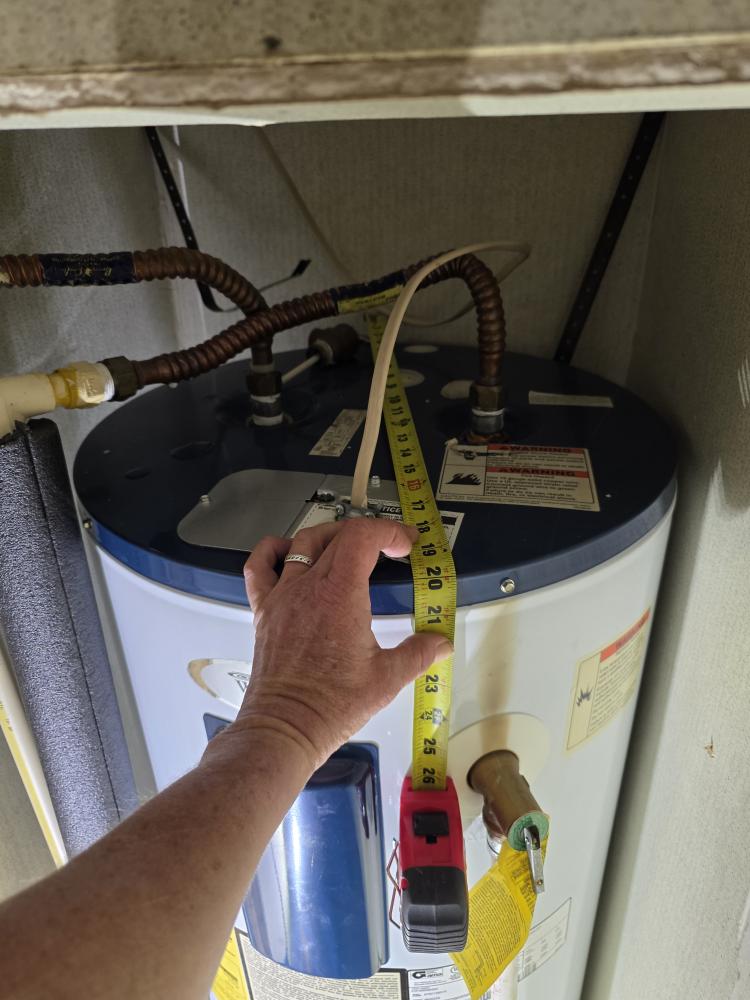
If your water heater lives in a tight closet or alcove, always confirm the exact width and height before ordering a new unit.
HEP technician ensuring the correct fit for a mobile-home installation.
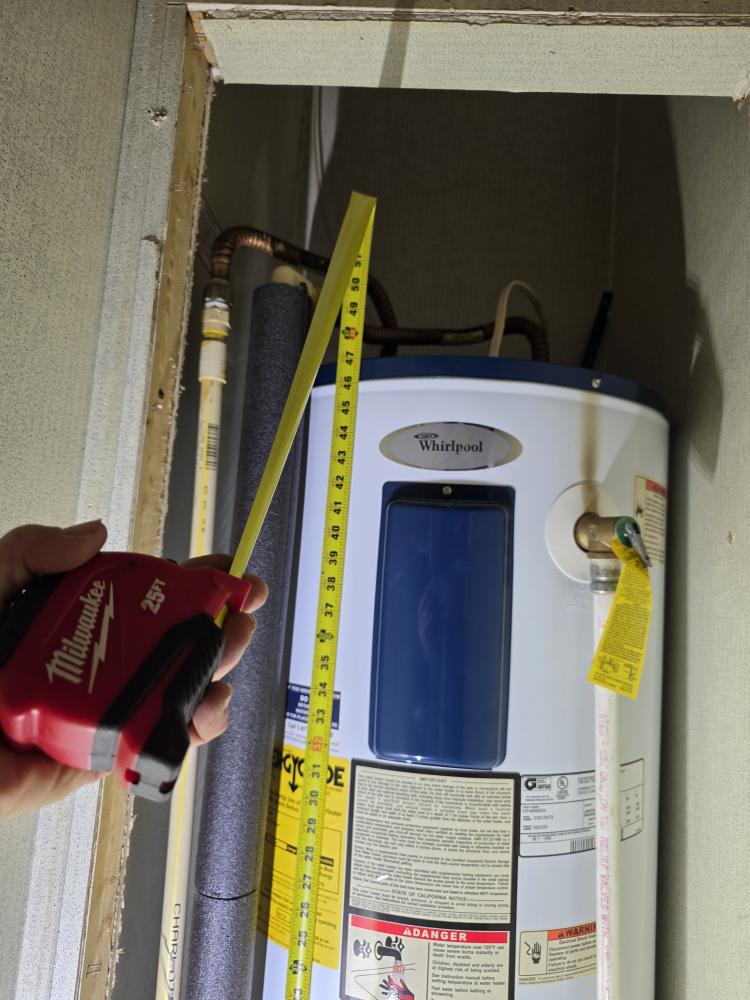
Proper measurements prevent surprises during installation.
3. Install a Safety Pan and Expansion Tank
A drain pan under the heater can catch leaks before they reach your floor. An expansion tank helps absorb pressure from hot-water expansion, protecting both the heater and your pipes.
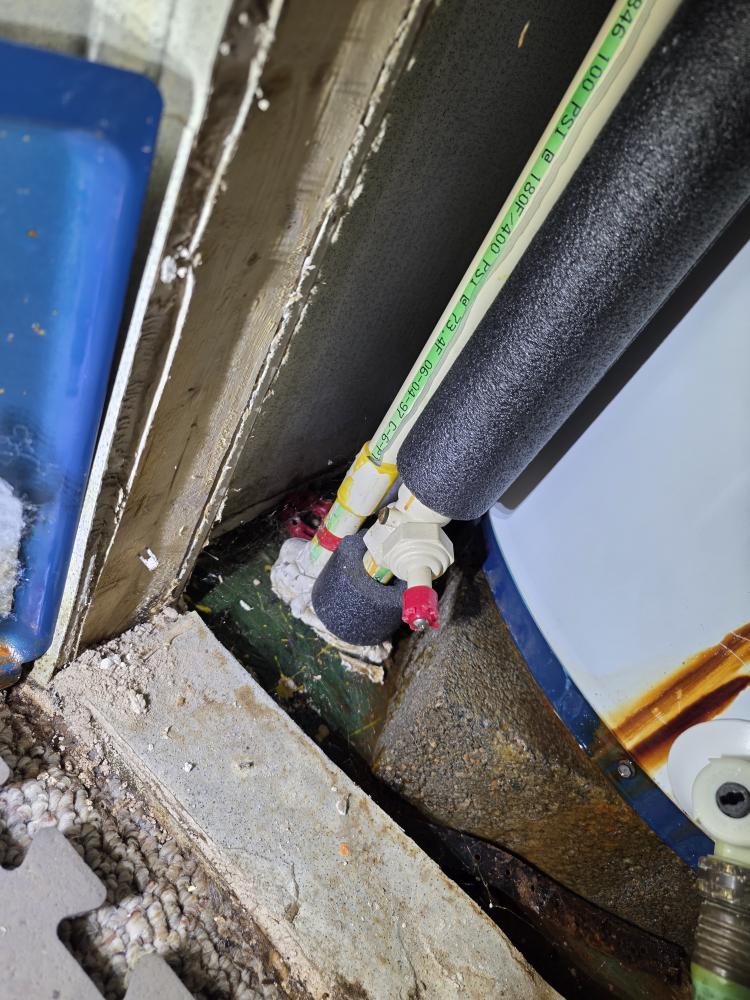
4. Inspect Piping, Valves, and Labels
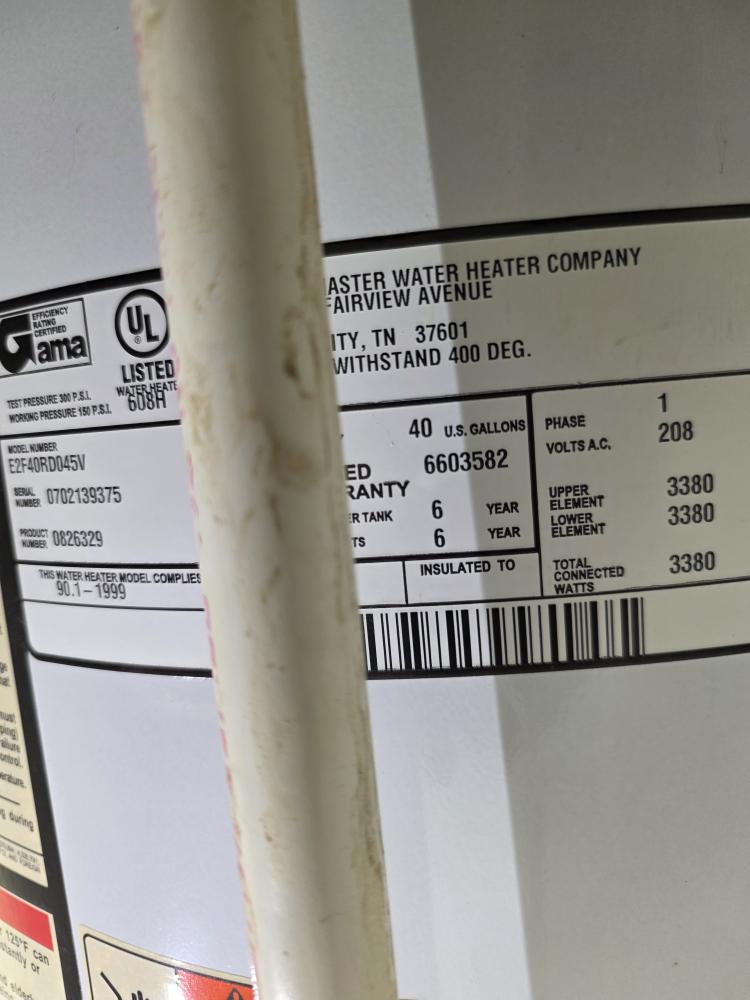
After replacement, look for clean, new piping and well-seated shutoff valves. Record or photograph the heater’s label details (model, capacity, warranty) for future service calls.
New plumbing components shield against leaks and heat loss.
Keeping a photo of the label speeds up any subsequent service.
5. Always Rely on Qualified Technicians
Working with water-heater replacements involves not only plumbing but also electrical connections. Hiring a licensed HEP technician ensures your new unit meets local codes and operates safely.
Final Look: Peace of Mind Restored
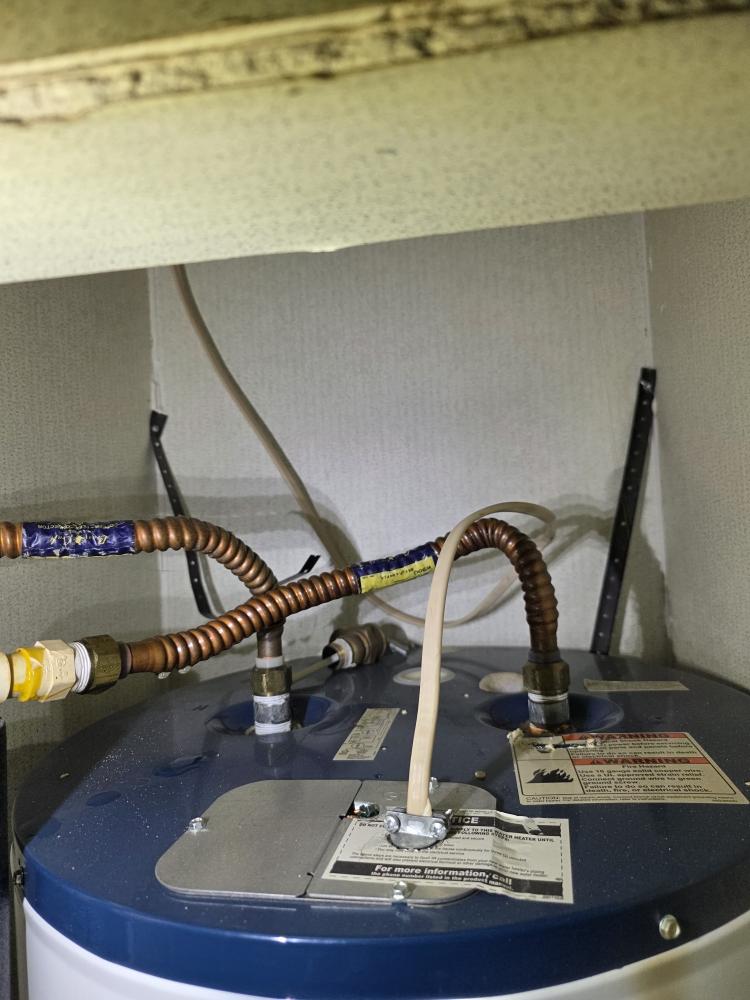
With the proper unit size, quality components, and professional installation, this Apison homeowner can now enjoy years of reliable hot water—without the worry of leaks or unexpected breakdowns.
Published on March 25, 2026