Pre-Storm Plumbing Inspection and Sewer Line Repair Tips for Oneida Homeowners
You can learn more about Plumbing, discover local insights in Oneida, or explore our Plumbing in Oneida services below.
Real-Life Case: A Warning Before Winter
Oneida homeowner “Gina” called our team when one of her bathroom drains began to back up just as a major winter storm was forecast to hit. Worried about a hidden leak or a sudden break in her sewer main under the house, she asked for a professional check.
Our HEP technician arrived promptly to do a thorough pre-storm inspection. In the crawl space, he discovered signs of a developing crack in the buried sewer line. Rather than wait for a full freeze-thaw cycle (which can cause a small crack to become a catastrophic break), he recommended scheduling a septic-tank pump out and repairing the affected section of pipe right away.
How the Problem Was Found
Before any digging began, the HEP technician used careful measurements and non-invasive tools to locate the trouble spot. Checking floor drains and cleanout access points helped confirm that wastewater flow was restricted. Early detection meant the homeowner avoided potential flooding and costly emergency repairs during sub-freezing temperatures.
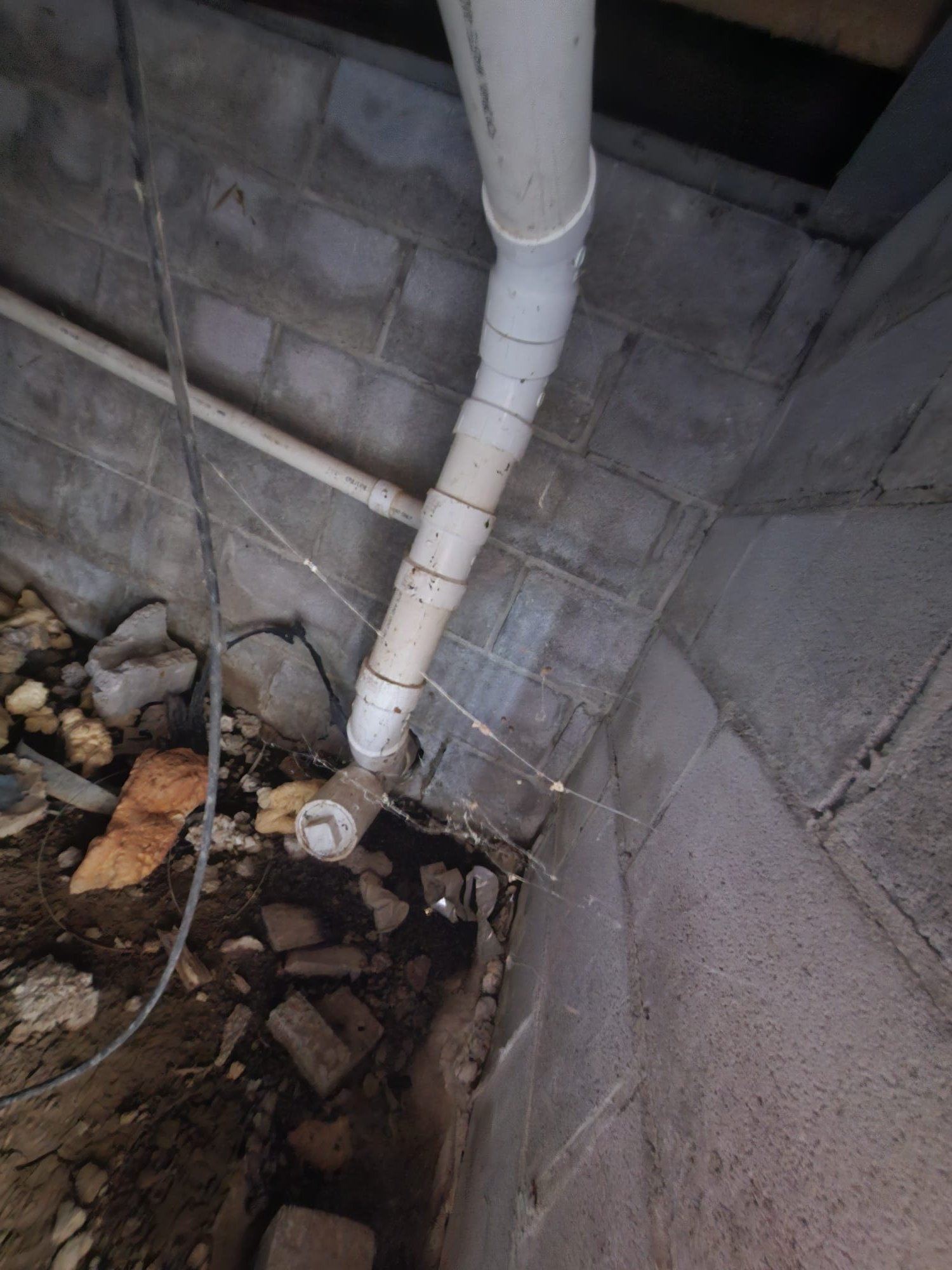
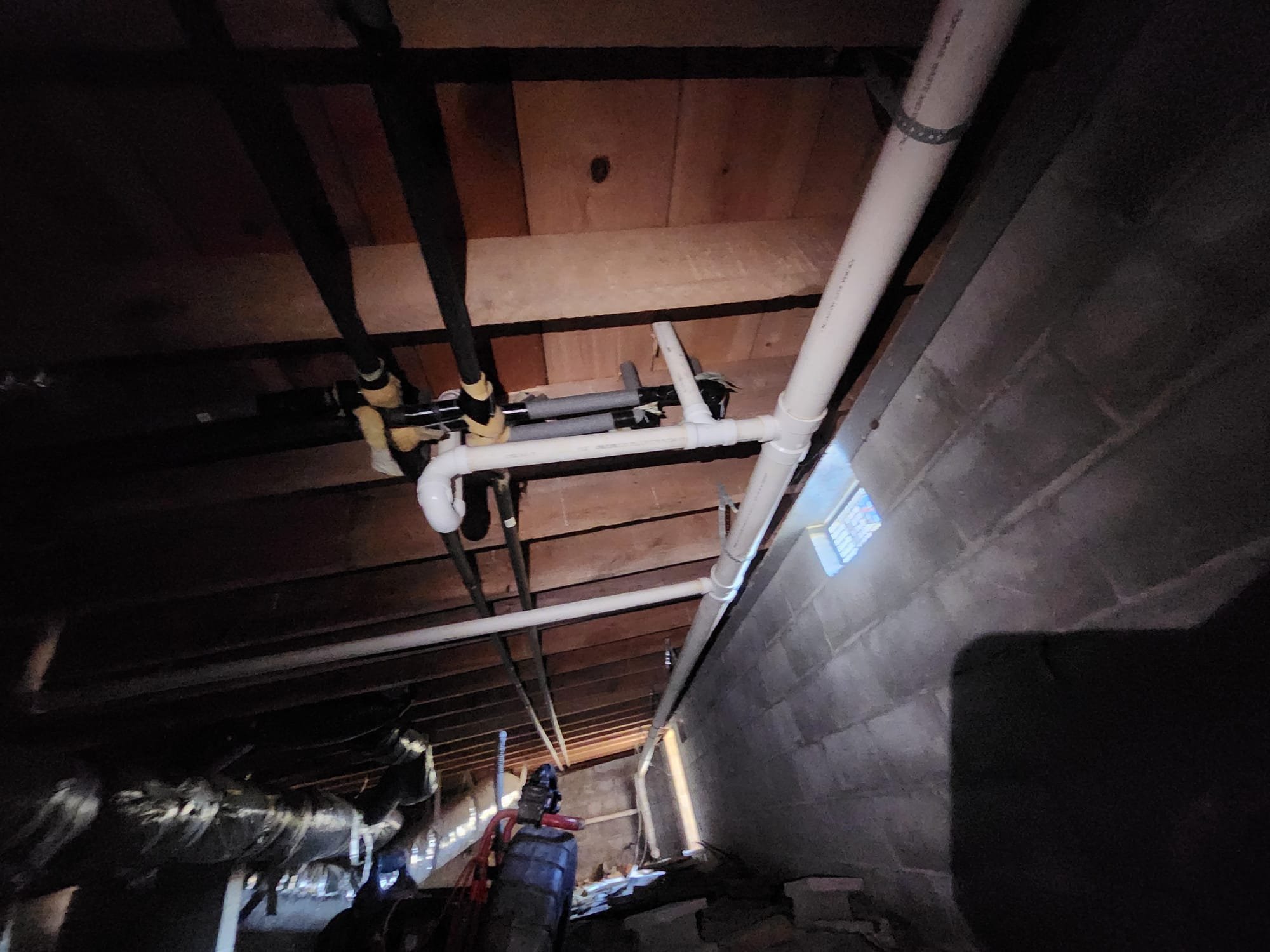
Above: A fresh section of white PVC drain pipe replacing an older line in the crawl space.
Repair Steps and Best Practices
- Septic Tank Pumping
A prompt pump-out cleared out settled solids, preventing backup while the line was repaired. - Cut and Replace Damaged Section
The HEP technician removed about three feet of compromised PVC pipe and installed a new, watertight section. - Add a Riser on the Septic Lid
Raising the septic access made future maintenance and inspections much easier—no more crawling in mud or snow.
Throughout the process, the work area was kept neat and protected from dirt and debris to prevent post-repair blockages.
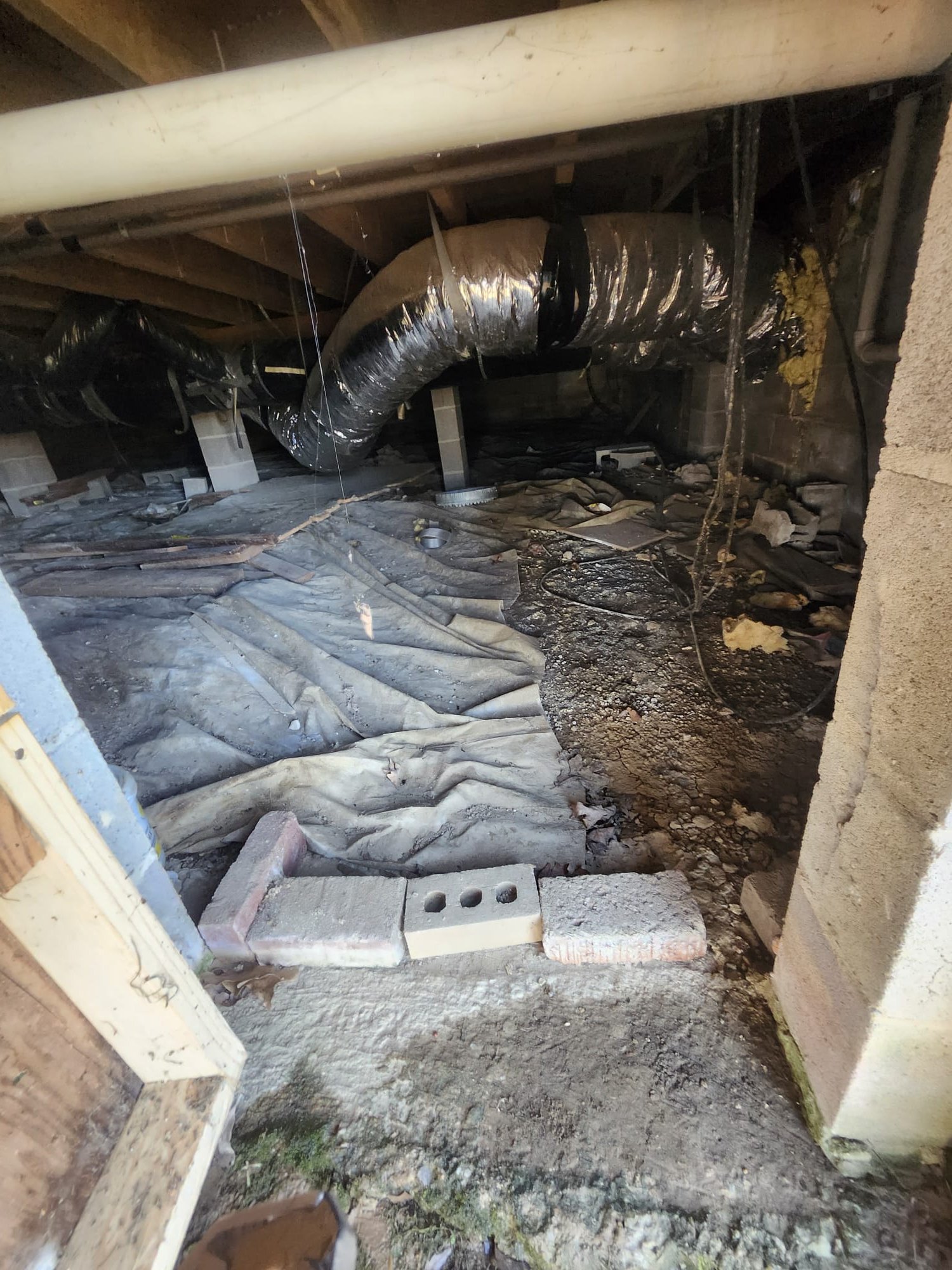
Above: Multiple new PVC lines neatly secured to the floor joists—ready for winter.
From Old to New: Pipelines Upgraded
Replacing just the broken section wasn’t the only improvement. Our HEP technician also quoted a full water-line re-pipe and a switch-over from aging CPVC in the crawl space. While the homeowner deferred that upgrade until spring, she now has all measurements and prep work documented, so the project will move quickly when the weather warms.
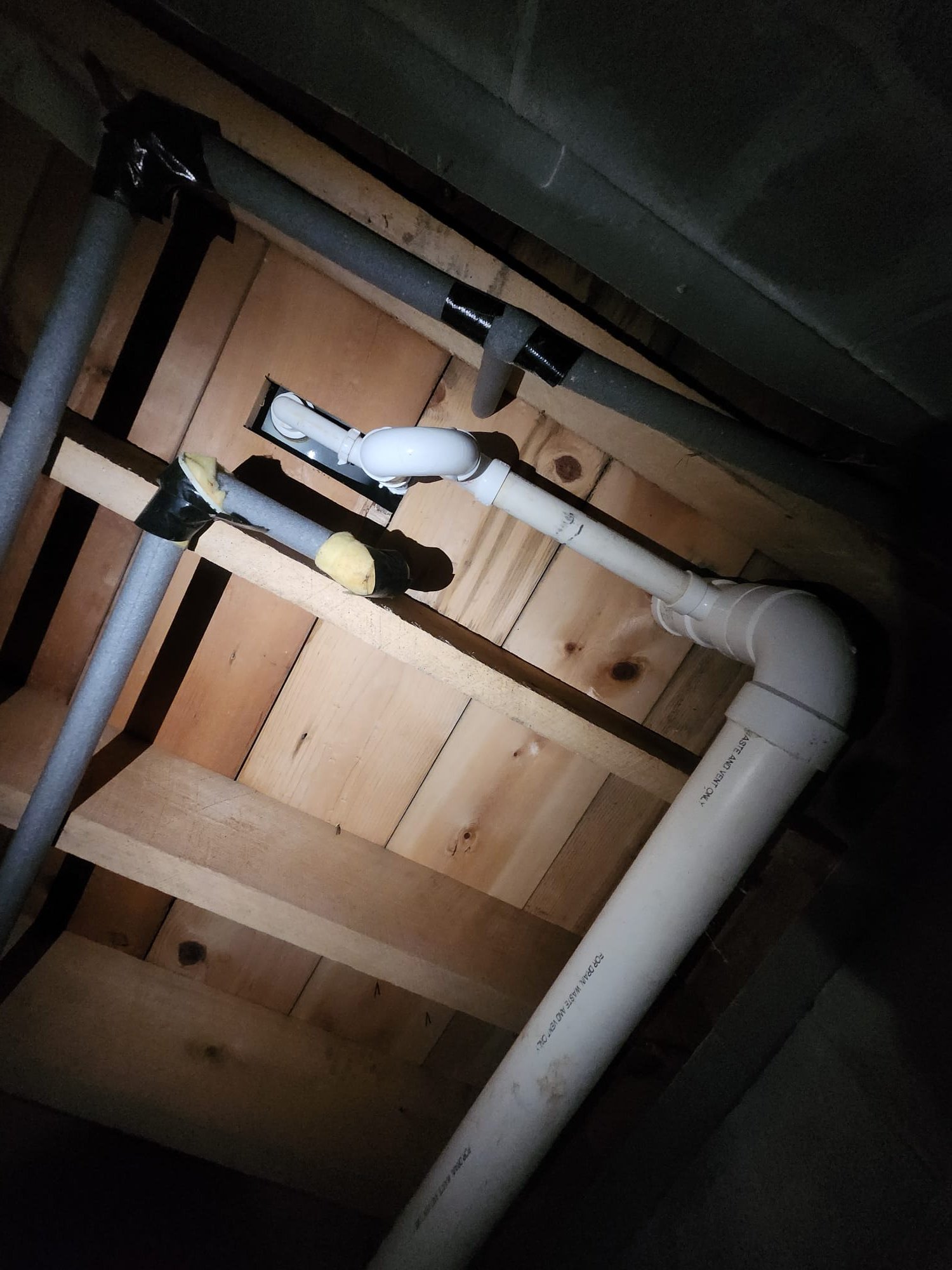
Above: Clean joints and fittings ensure a secure, long-lasting repair.
Final Inspection and Cleanup
After installation, a final walk-through confirmed every joint was sealed and sloped correctly. The trench was backfilled, the grass lightly seeded, and all debris removed. Our HEP technician left the site tidy, with clear access to the new riser and a magnet on the owner’s appliance as a reminder of our follow-up guarantee.
Above: Upgrading from older cast-iron or clay to modern PVC prevents future corrosion and leaks.
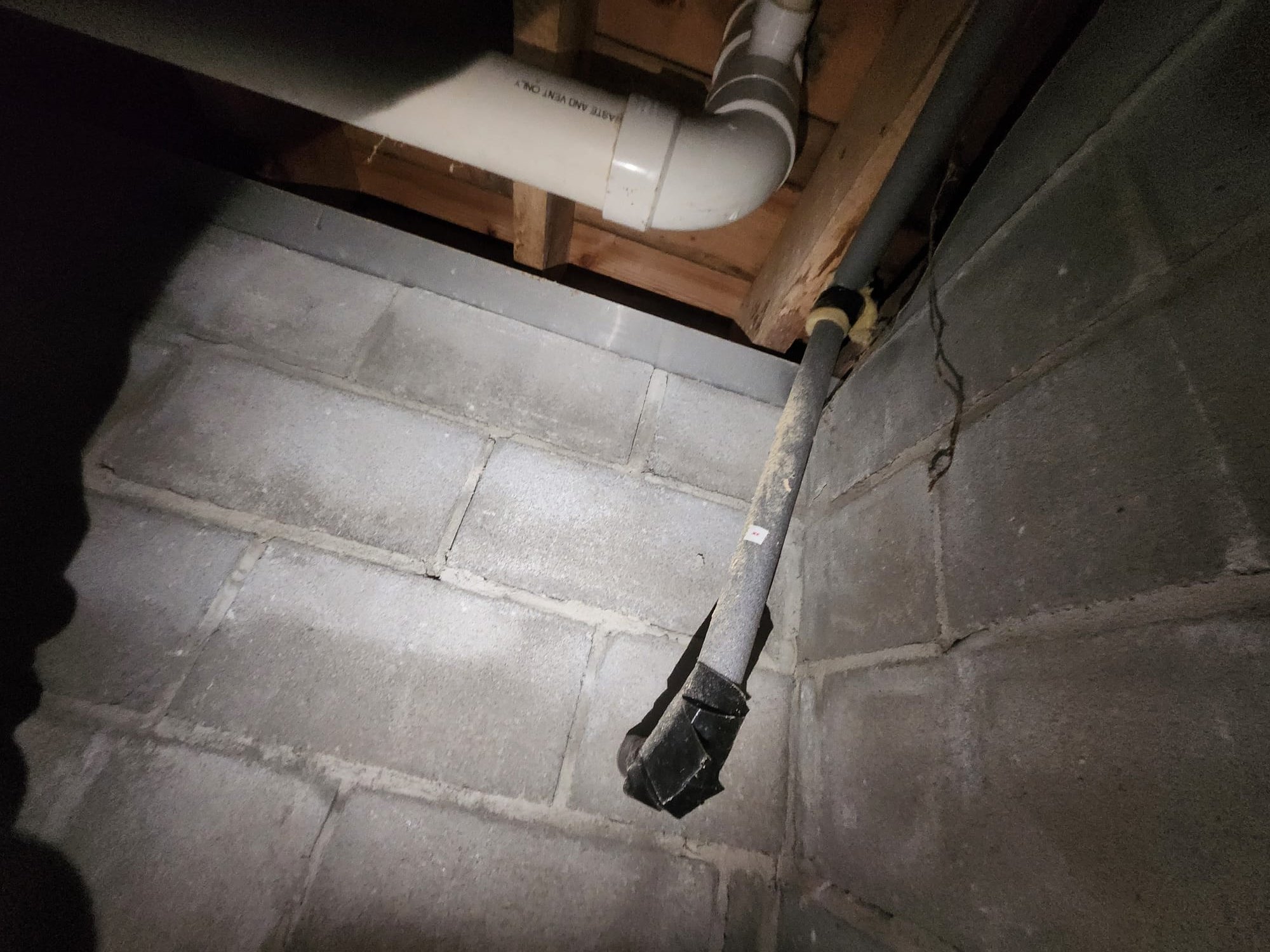
Above: A clean underside once the new sewer line and riser are in place—ready for any weather.
Tips for Homeowners
- Inspect Before Cold Weather: Schedule an interior and crawl-space check before winter arrives.
- Locate Access Points: Know where your cleanouts and septic risers are—clear, labeled access speeds up any service call.
- Pump the Tank Regularly: A routine septic pump-out keeps solids from building up and protects your piping.
- Plan Future Upgrades: If you have aging CPVC or metal piping, get an estimate early so you’re ready when spring thaw arrives.
- Hire Qualified Technicians: Professional tools and expertise prevent hidden issues from becoming emergencies.
By taking these steps, you’ll protect your home against plumbing failures, even in the heart of winter. Our team in Oneida is here to help you prepare!
Published on February 18, 2026