How to Keep Your Water Pressure in Check: PRV Replacement Tips for Homeowners
Plumbing Chattanooga Plumbing in Chattanooga
The Case: Fluctuating Water Pressure at Home
A homeowner in Chattanooga noticed that the shower would alternately gush and barely trickle, and there was a faint squeal coming from the basement. After an inspection, the HEP technician discovered that the old pressure reducing valve (PRV) was failing and a short run of galvanized pipe near the main shut-off had heavy corrosion.
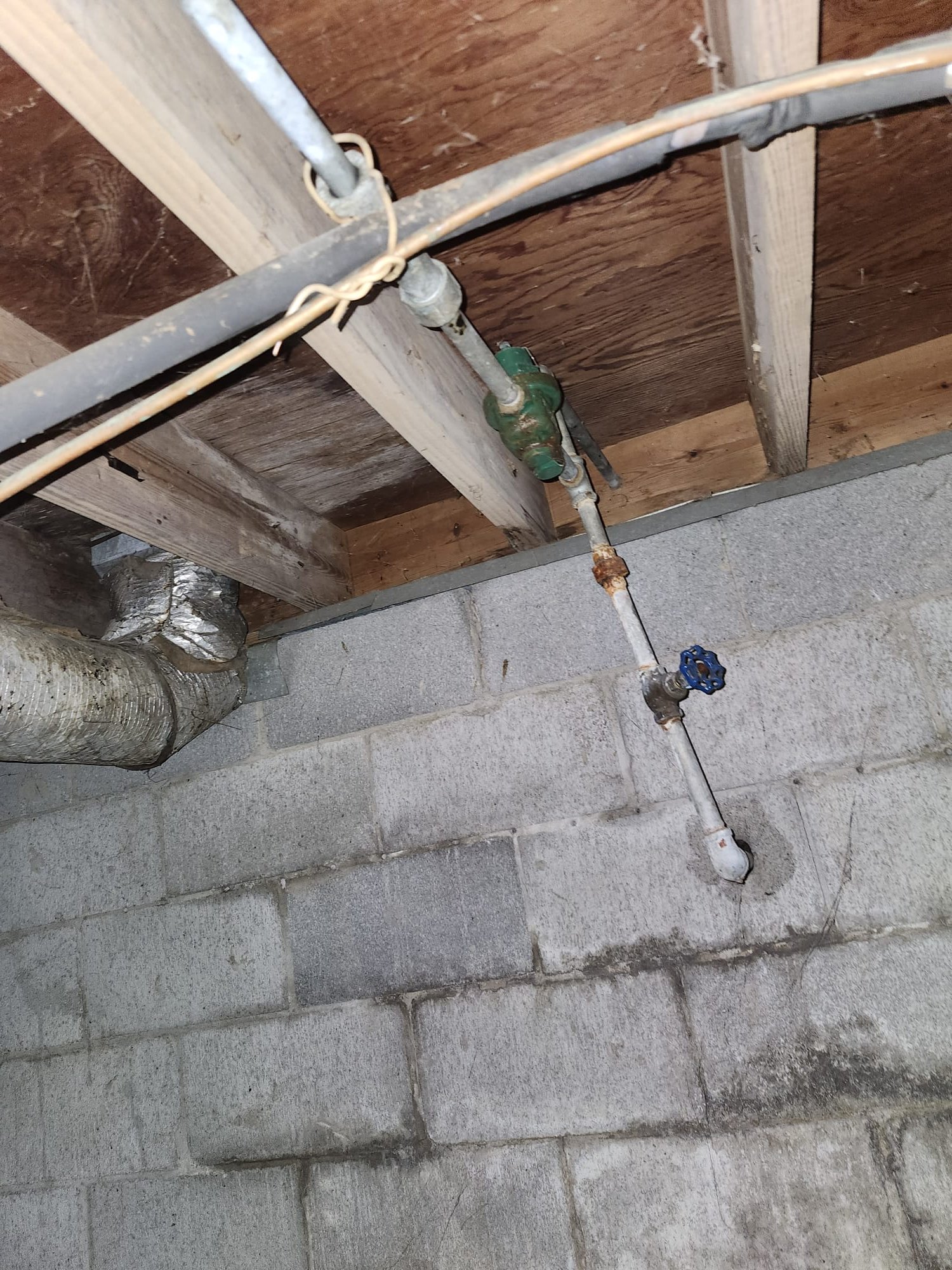
A combination of mineral buildup and aging metal can cause water pressure to surge or drop without warning—and over time, that puts stress on fixtures and appliances.
How the HEP Technician Fixed It
The HEP technician followed these steps to restore steady pressure:
- Removed the old valve that had lost its ability to regulate flow.
- Cut out about three feet of the rusty galvanized pipe.
- Installed a modern PRV rated for residential use, ensuring cleaner, quieter operation.
- Replaced the removed section with flexible PEX A piping, which resists corrosion and is easier to work into tight spaces.
- Tested the system under full pressure to confirm there were no leaks and the flow was smooth.
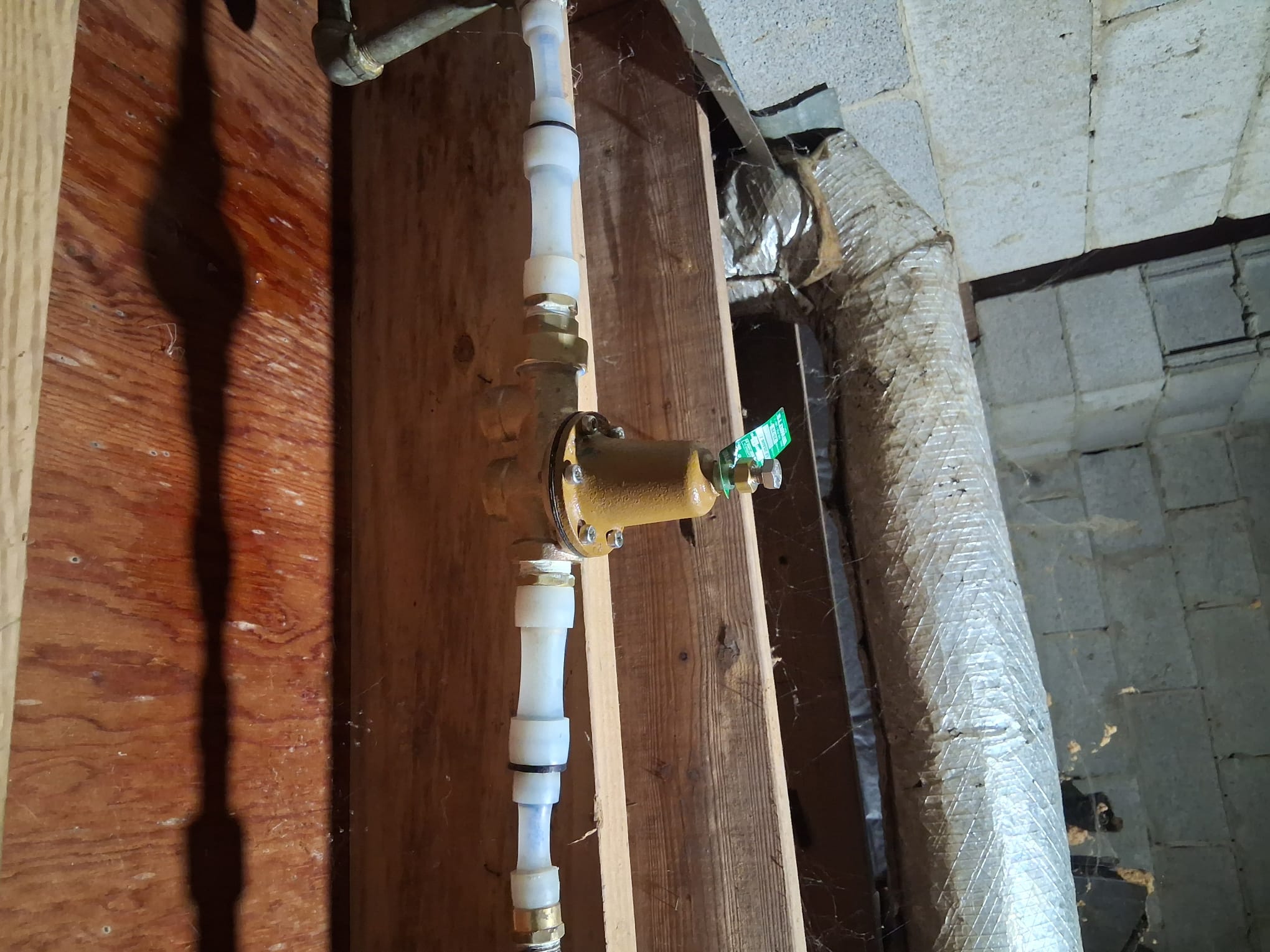
Within an hour, the homeowner had consistent, balanced water pressure throughout the house—no more surprises when switching from the kitchen sink to the bathroom.
Why Switch to PEX Piping?
PEX has become a top choice for many modern plumbing upgrades:
- Corrosion-resistant: No rust or mineral buildup over time.
- Flexible and easy to install: Fewer fittings mean fewer potential leak points.
- Quiet operation: Unlike metal pipes, PEX doesn’t creak or groan when the water starts or stops.
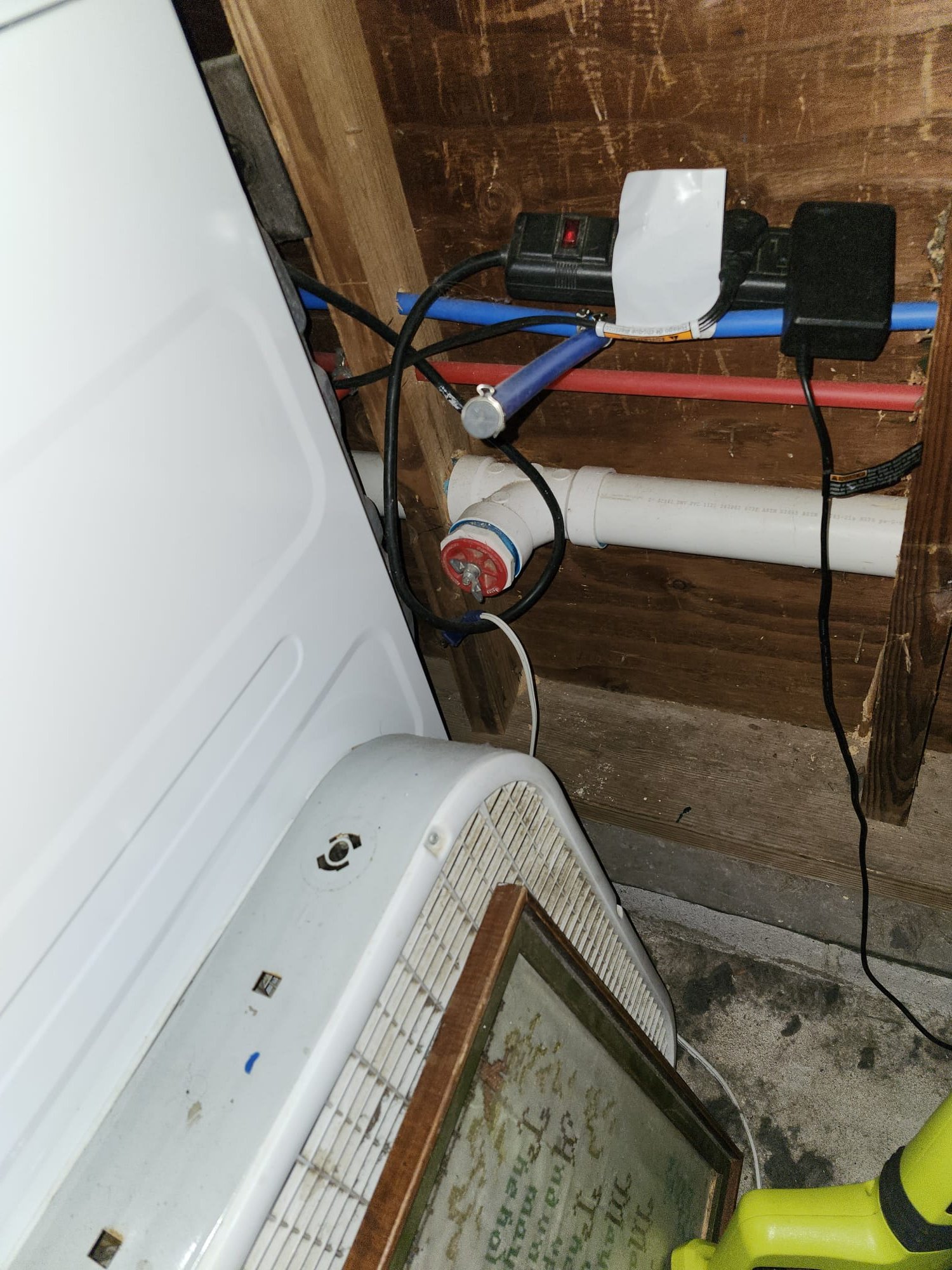
Replacing small sections of old pipe with PEX can cost less in labor and materials, and it often speeds up any future repairs—even under cabinets or behind walls.
Tips for Homeowners
1. Listen for Unusual Noises
Squeals, hisses or loud bangs can be the first sign of a failing PRV or water hammer.
2. Watch for Pressure Swings
If water rushes out full blast and then dies back, it’s time for an inspection.
3. Inspect Exposed Pipes
Look under sinks or in basements for rust, mineral deposits or weeping joints.
4. Know Your Shut-Off Valve
In an emergency, being able to isolate the main line quickly can save major damage.
5. Schedule Regular Checkups
A yearly look-over by a qualified plumber, like a HEP technician, can catch small issues before they become big headaches.
Keeping your home’s water pressure steady protects appliances, reduces noise and ensures every faucet delivers just the right flow. If you notice any of these warning signs, scheduling a professional inspection in Chattanooga is the best way to stay ahead of plumbing problems.
Published on April 28, 2026