How a Clogged Sewer Line Got Fixed: Tips from HEP Technicians
Plumbing | Maryville | Plumbing in Maryville
A homeowner in Maryville noticed toilets that wouldn’t flush properly, strange gurgling noises when running the kitchen sink, and dirty water backing up into the shower. Concerned about potential damage, they called HEP for help. Our HEP technician arrived, performed a thorough inspection, and pinpointed the problem: tree roots invading an aging underground sewer pipe. In this article, we’ll walk you through how the issue was resolved and share practical tips every homeowner can use.
Initial Diagnosis and Inspection
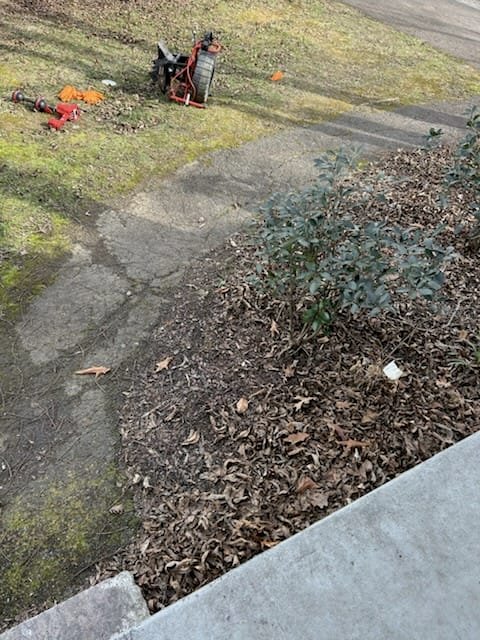
When drains act up—slow flow, unusual noises, or backups—early diagnosis is key. In this case, the HEP technician used a specialized drain camera and saw root intrusion about seven feet from the cleanout, just beneath the front porch. This non-invasive inspection allowed us to confirm that the old terracotta pipe had spots where roots were breaking through.
Key takeaway:
• Consider a video inspection if multiple fixtures are acting up.
• Non-invasive tools help locate the exact spot without unnecessary digging.
Excavation and Pipe Removal
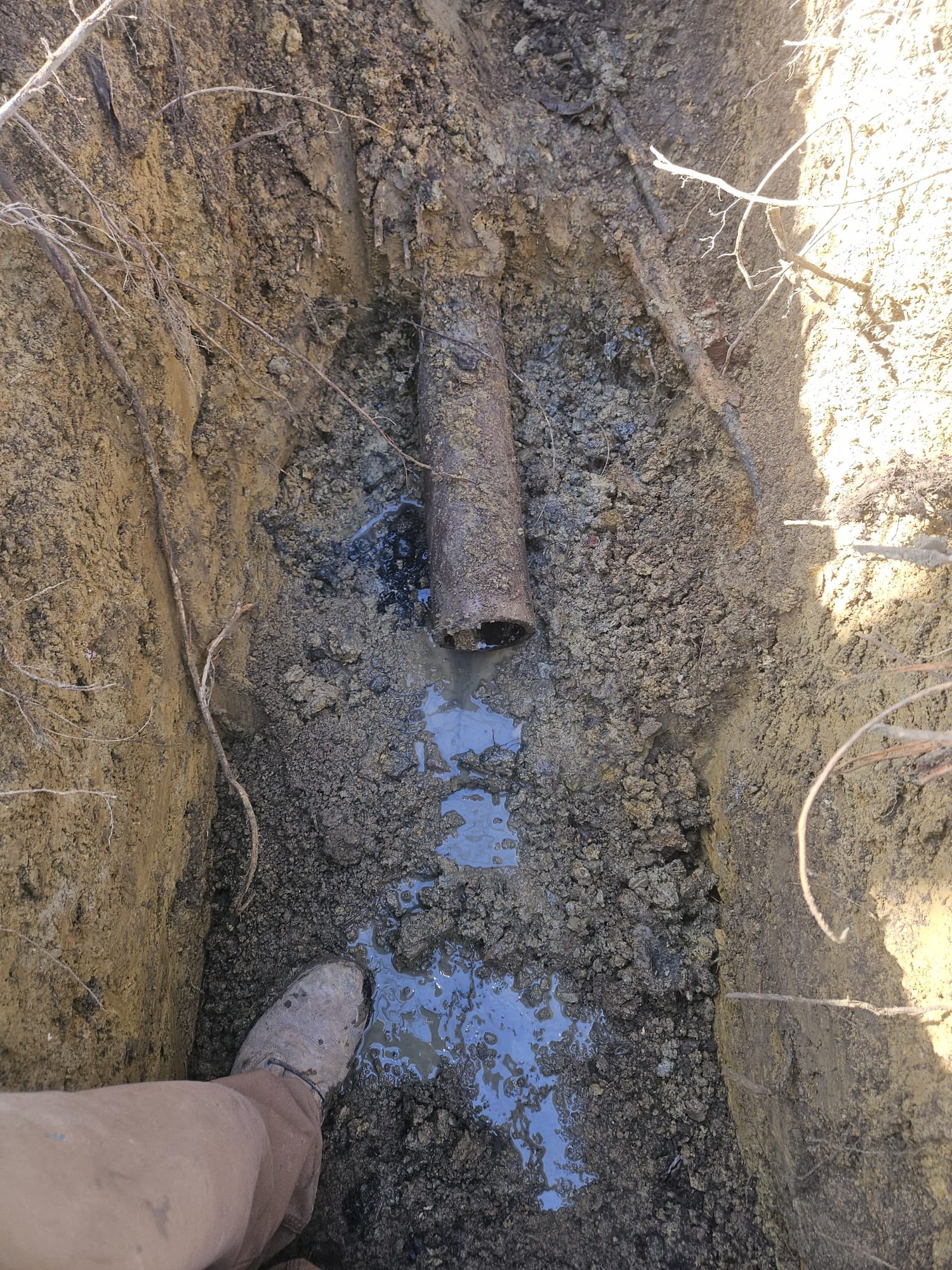
Once the problem area was identified, machine excavation made it quick and safe to reach the damaged section. The old pipe and overgrown cleanout fitting were removed, exposing the cracked terracotta and root-filled joints.
What to remember:
• Tree roots naturally seek moisture in pipes—especially older clay or cast-iron lines.
• A cleanout that’s clogged with roots is a sign the main line may need attention.
Installing New Plumbing Section
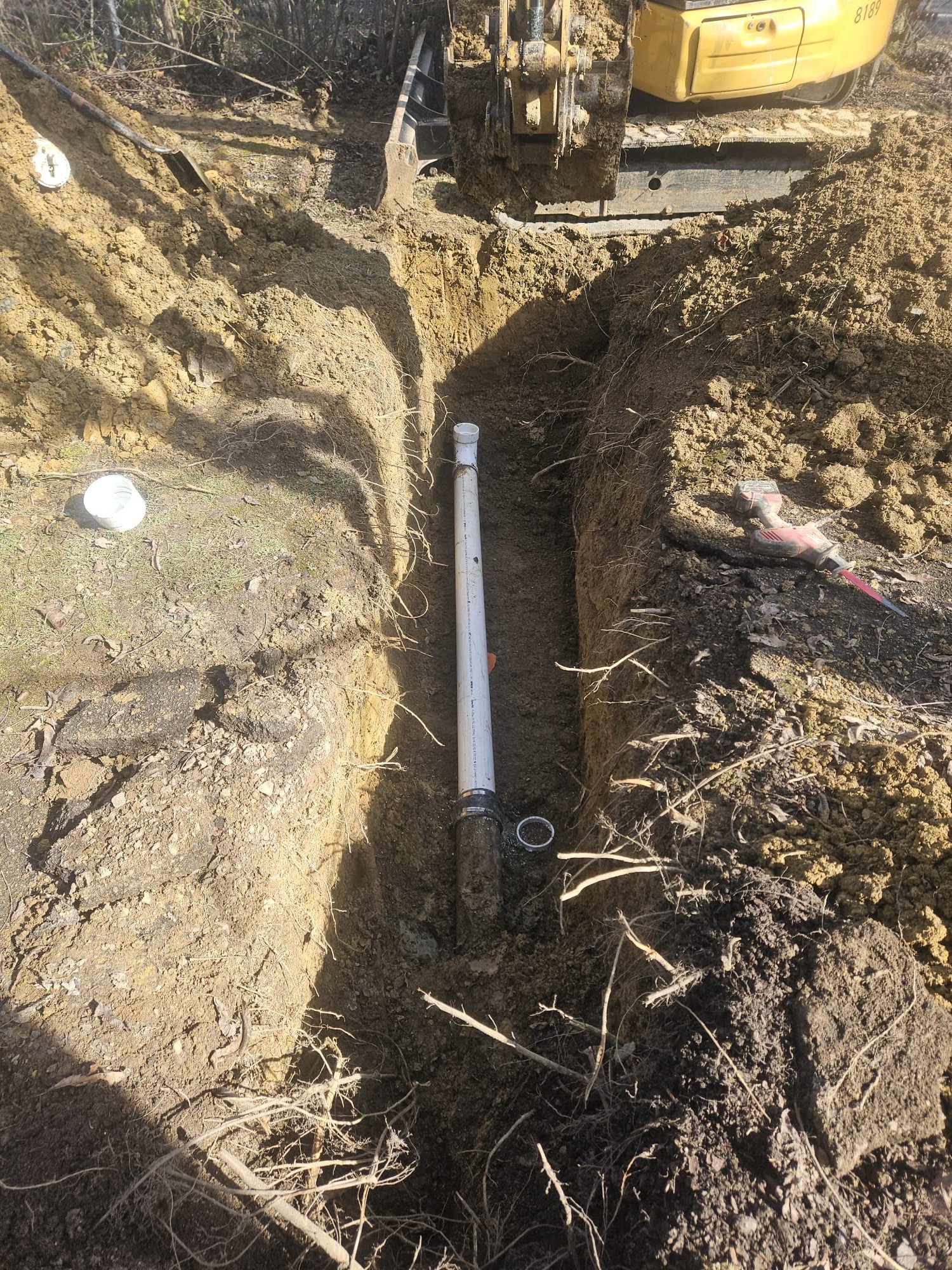
After removing the damaged clay pipe, our HEP technician installed about seven feet of new PVC sewer line and upgraded the cleanout to a two-way access point. All joints were primed and glued per industry standards to ensure a leak-free seal.
Why PVC?
• PVC resists corrosion and root intrusion.
• It provides a smoother inner surface, so debris moves through more easily.
Sealing, Protection, and Cleanup
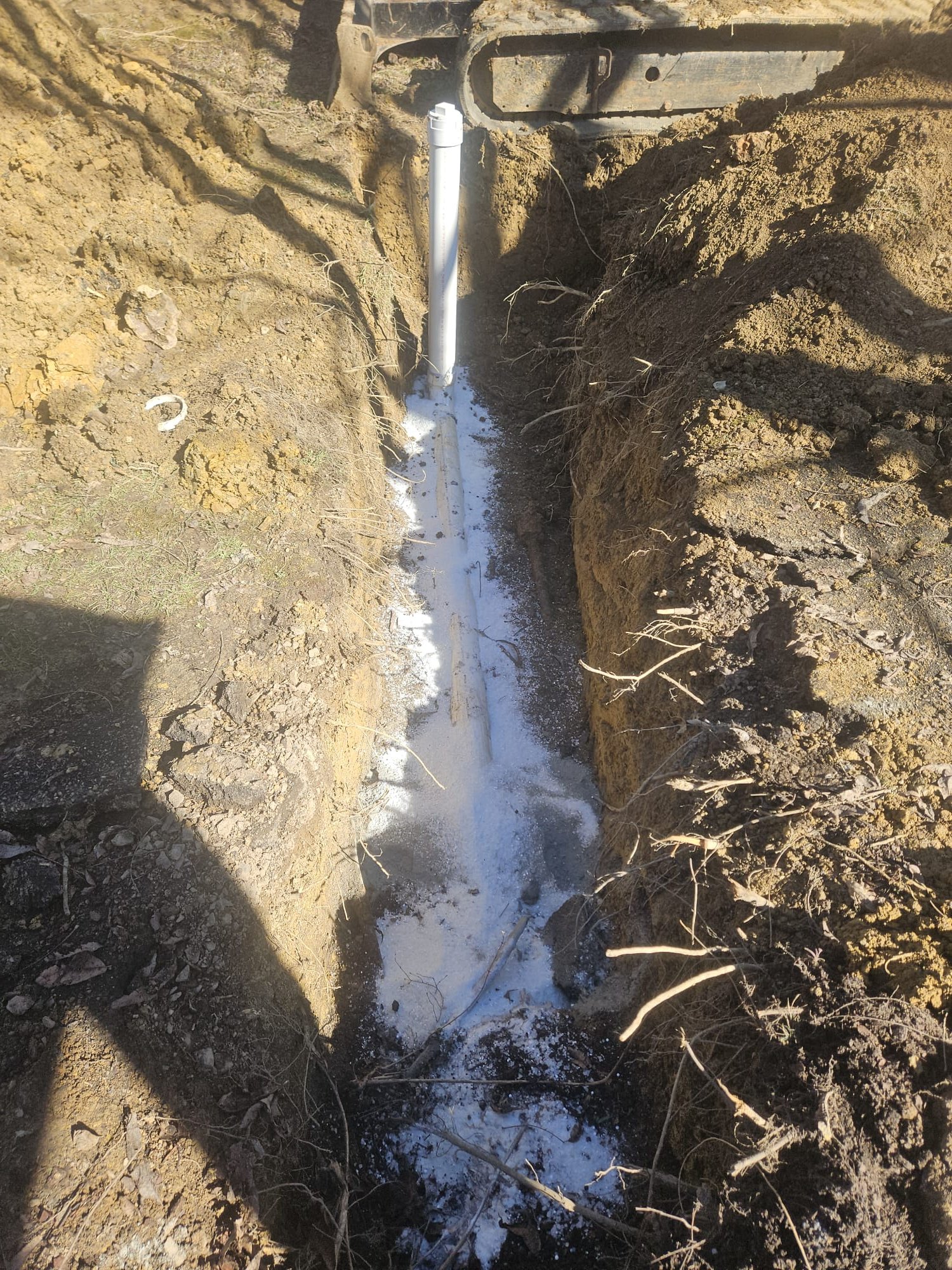
To protect the new installation, concrete was poured around the cleanout, and rock salt was added as a root inhibitor. Finally, the trench was backfilled, the yard reseeded, and straw was laid to prevent erosion while the grass regrows.
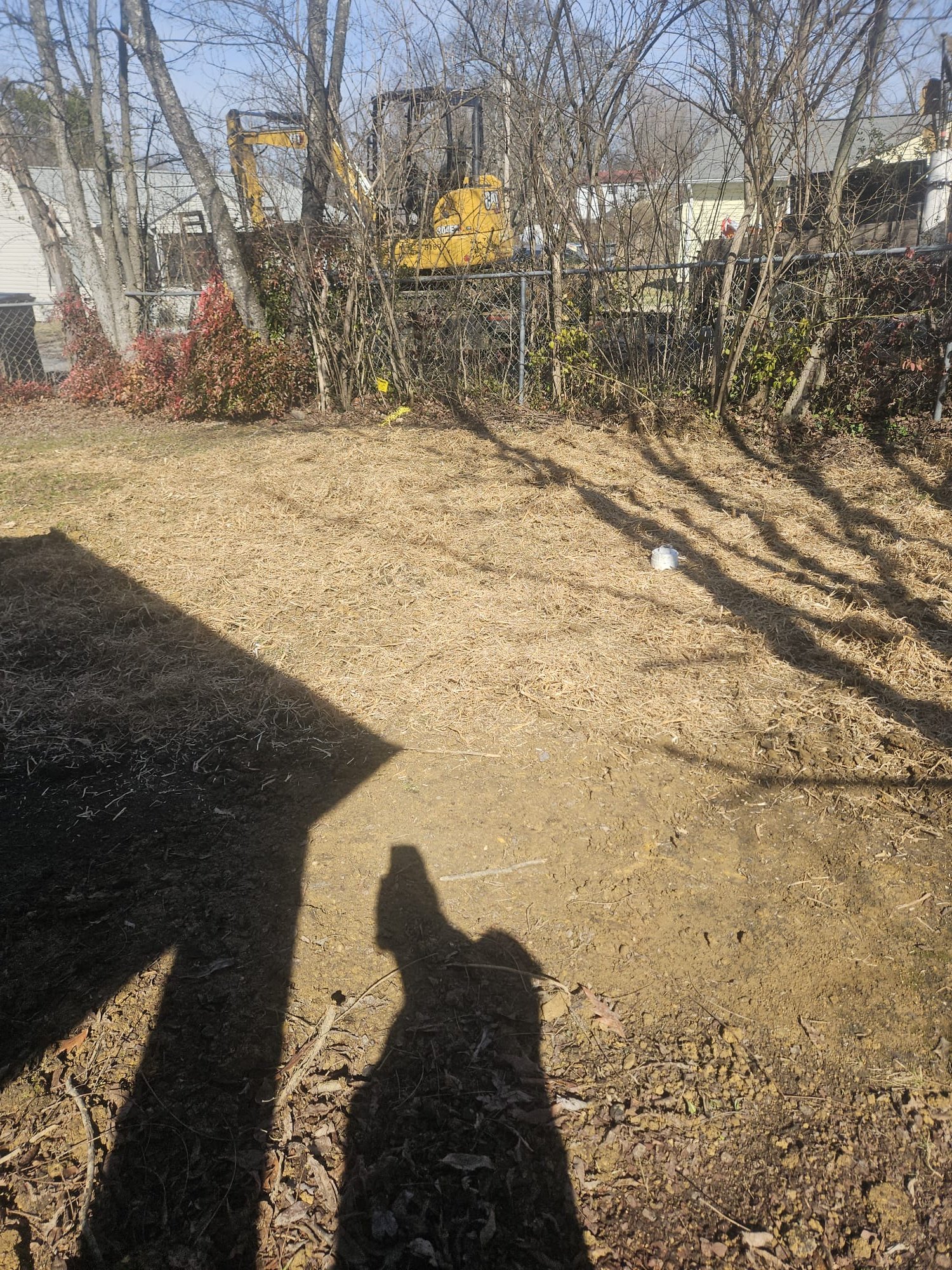
Final touches:
• Always keep the cleanout accessible—clear any plants or mulch that may cover it.
• Promptly restore landscaping to reduce trip hazards and promote healthy turf.
Homeowner Tips for a Healthy Sewer Line
- Regular Inspections: Schedule a video inspection every few years, especially if your home has older plumbing.
- Watch Your Landscaping: Avoid planting trees or shrubs with invasive roots near sewer lines.
- Use Your Cleanout: Periodically flush the cleanout with water to keep debris moving.
- Professional Maintenance: Drain cleaning machines and excavation equipment are specialized tools best handled by trained HEP technicians.
By recognizing the warning signs early and bringing in skilled professionals, homeowners can avoid messy backups, protect their landscaping, and extend the life of their plumbing system. If you’re experiencing similar issues in Maryville, reach out for an inspection before small clogs turn into major repairs.
Published on February 26, 2026