Drain Repipe and Concrete Repair: Lessons from a Blountville Home
For homeowners exploring Plumbing solutions in Blountville, our Plumbing in Blountville page is a great resource.
The Homeowner’s Challenge
A family in Blountville discovered that every drain on their main floor—from the kitchen sink to the laundry—was backing up. Simple plunging and snaking couldn’t clear the blockages, and multiple fixtures were affected. Concerned about repeated backups and hidden damage under the slab, they reached out to HEP for a thorough inspection.
How HEP Technicians Solved It
After a careful assessment, the HEP technician determined that aging drain lines buried beneath the concrete foundation had corroded and were restricting flow. The solution combined modern repiping with precise floor restoration:
-
Targeted Excavation
- Small, strategic cuts in the concrete slab allowed access to the old pipes without removing the entire floor.
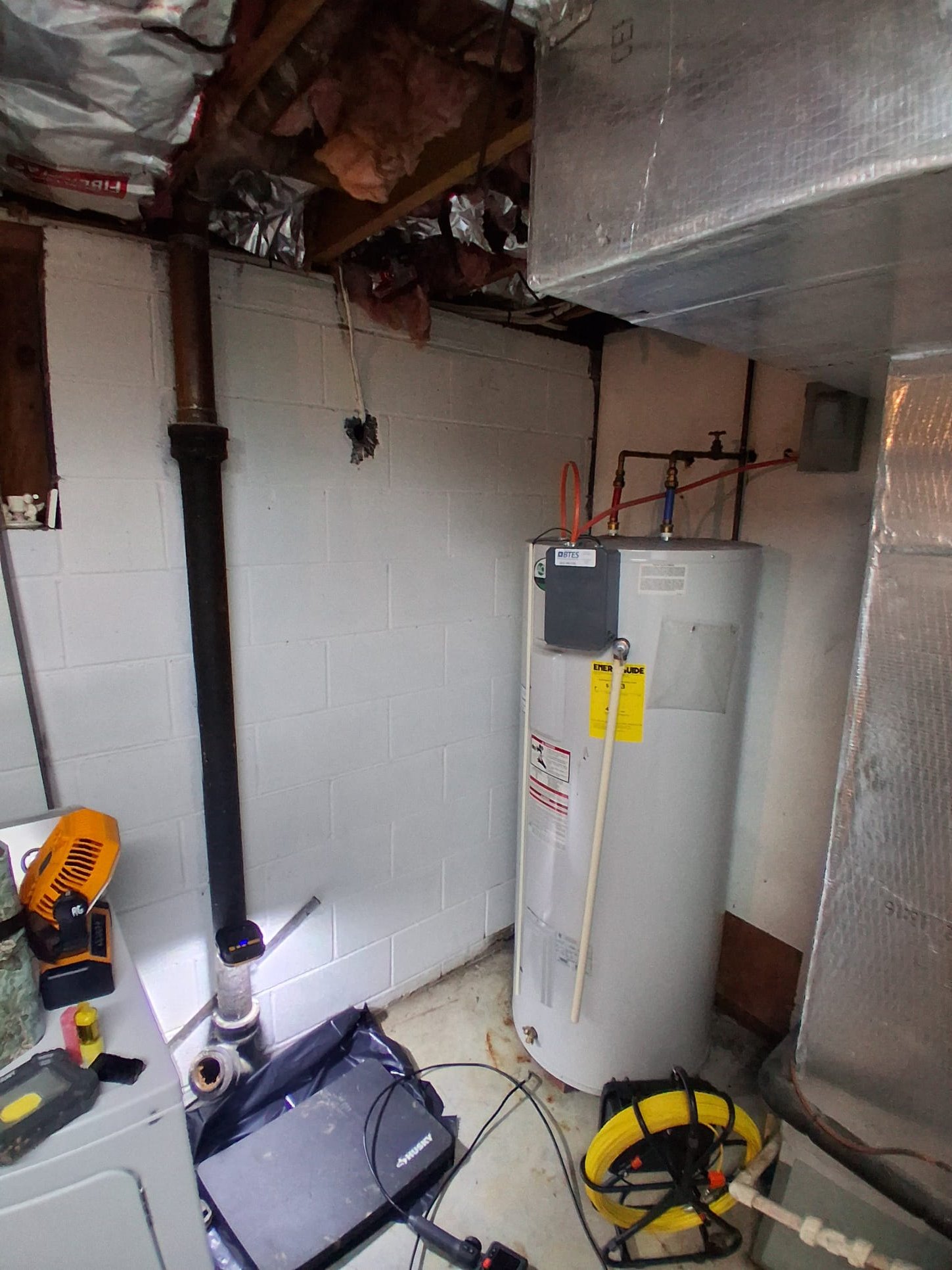
- The nearby water heater was safely shifted aside to make room for trenching.
-
Installing New PVC Drains
- Outdated cast-iron and galvanized lines were replaced with durable, corrosion-resistant PVC barriers.
- Connections were made for the bathroom toilet flange, vanity drain, laundry standpipe and utility sink.
Excavation and New Pipe Installation
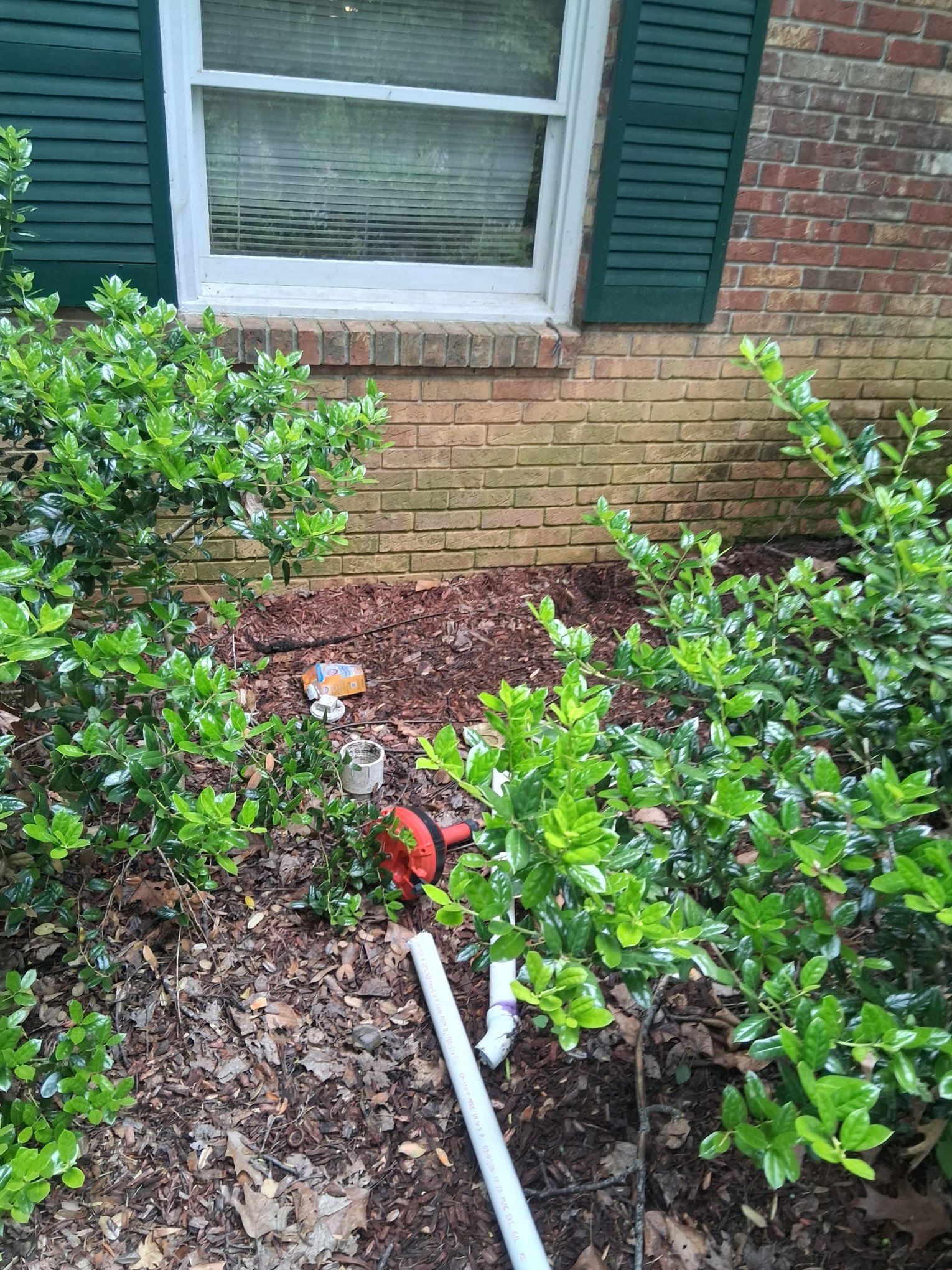
In-Progress Trenching
While trenching can seem disruptive, trained professionals keep the mess contained:
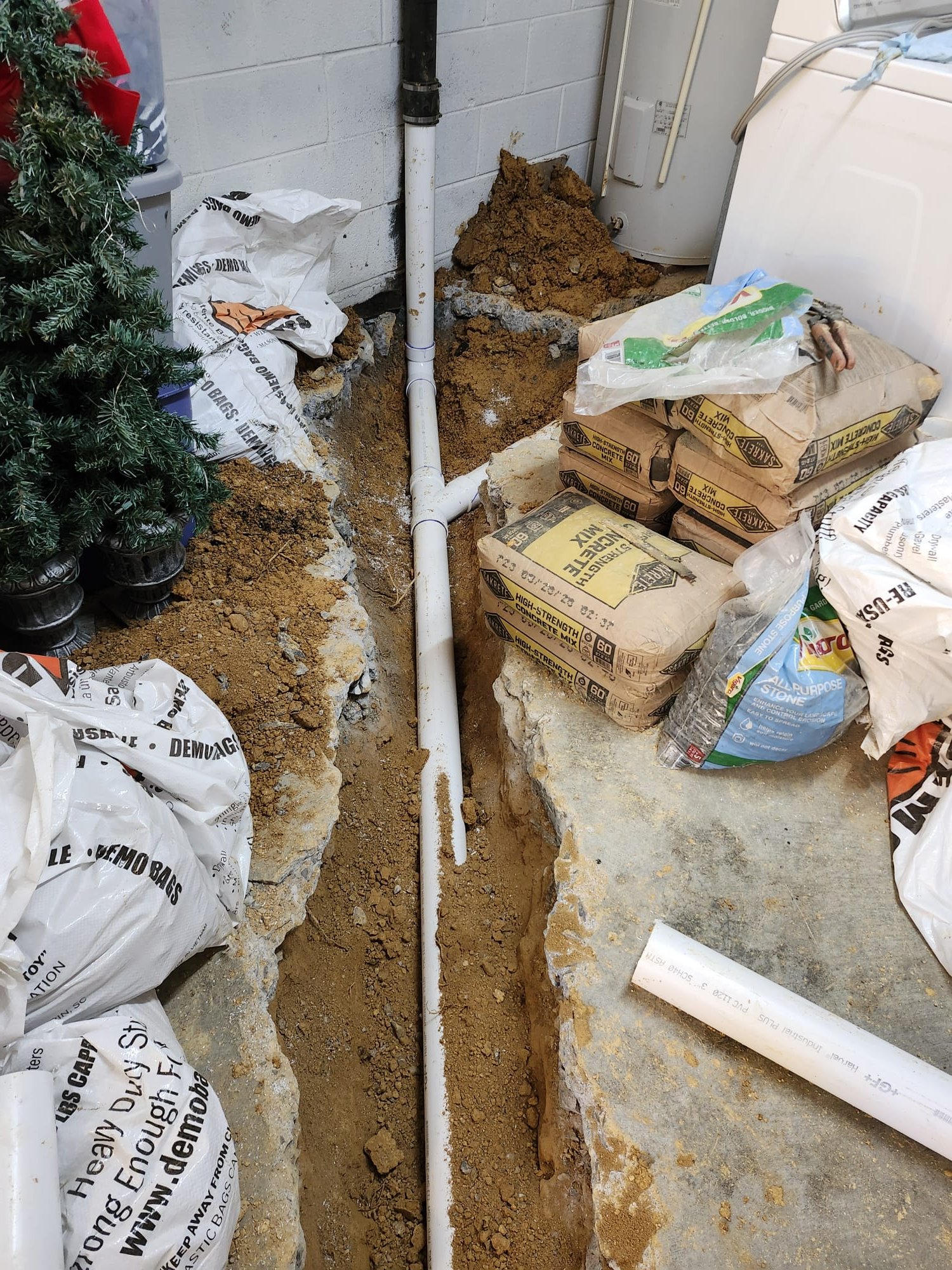
-
Backfill and Support
- Trenches were filled with gravel to ensure proper slope and stability.
- Soil was compacted before pouring concrete.
-
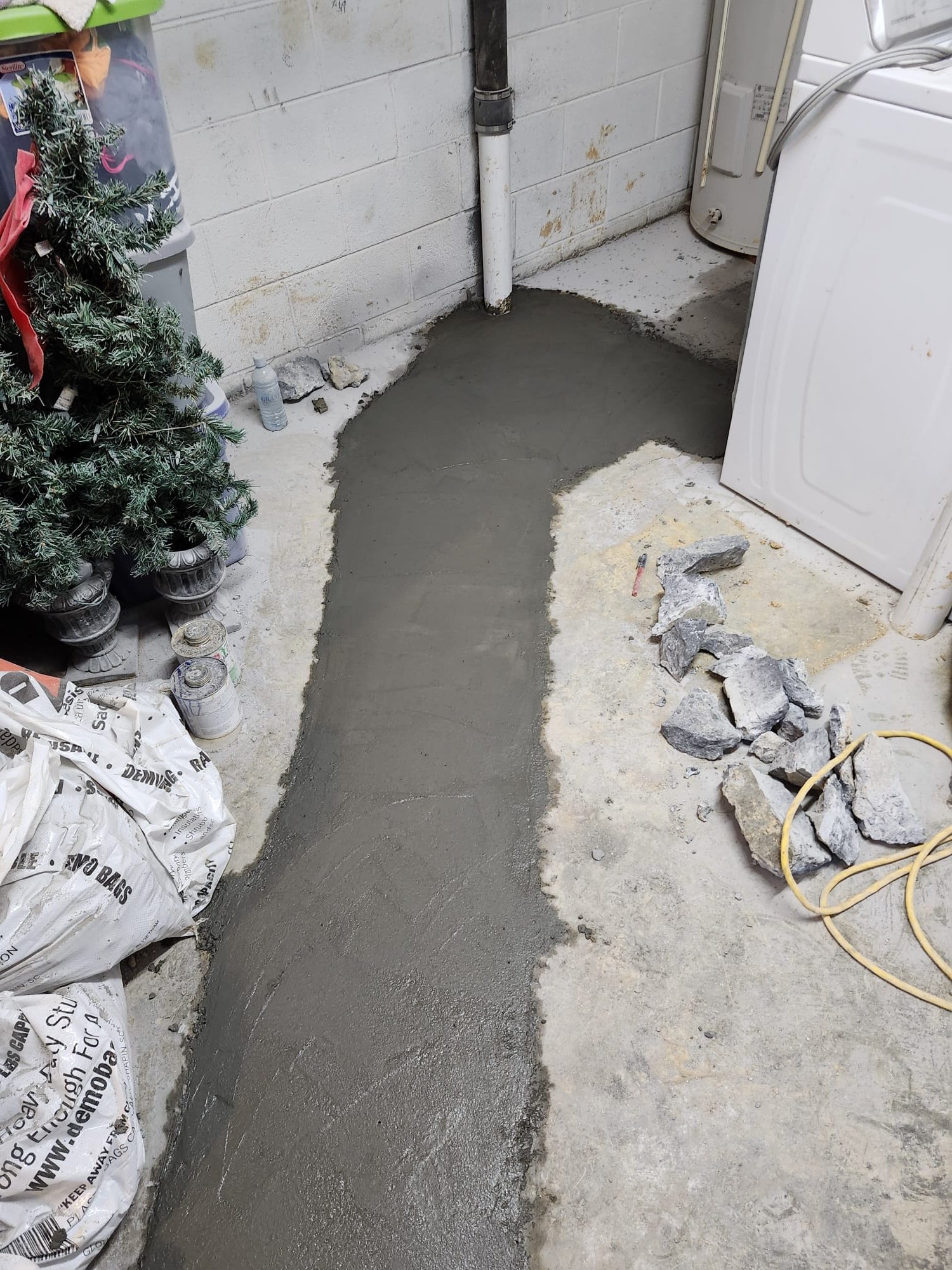
Concrete Patch and Finish
- Fresh concrete was poured to seamlessly restore the flooring.
- Surfaces were smoothed to match the original slab level.
Restoring the Concrete Floor
- Testing and Cleanup
- Every fixture was tested to confirm fast, reliable drainage.
- The work zones were cleaned and tools removed. The homeowner was guided through the completed project and confirmed full satisfaction.
Homeowner Tips for Smooth Drain Repairs
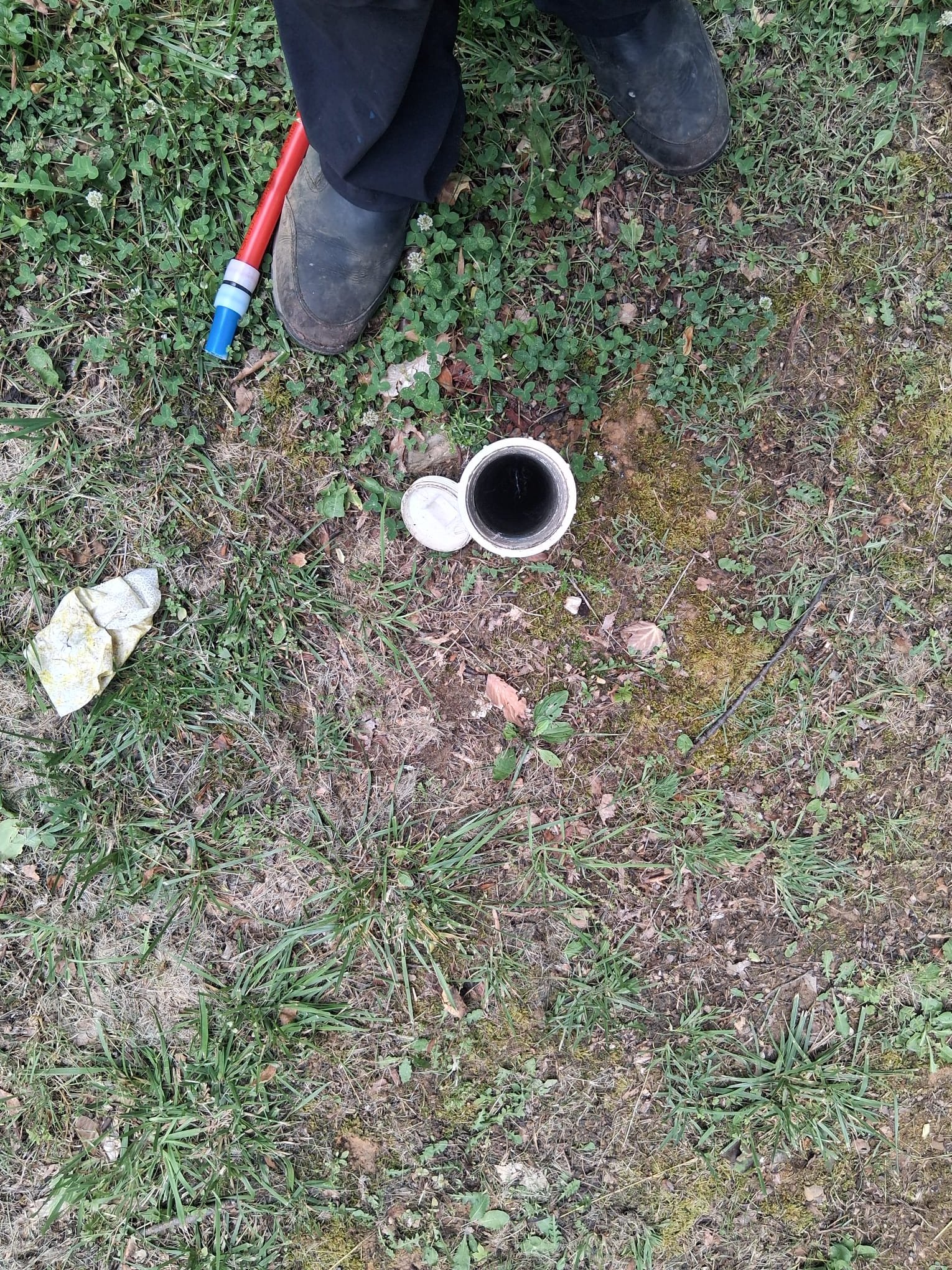
1. Ensure Accessible Cleanouts
Locate your main sewer cleanout before a crisis. Keeping it clear and accessible allows technicians to quickly clear blockages without additional digging.
2. Know Your Pipe Materials
Homes with older piping (cast-iron or galvanized steel) often benefit from modern PVC replacements. Ask your plumber about material options and longevity.
3. Protect Your Belongings
Cover nearby furniture and floors with drop cloths or protective sheeting. This simple step keeps dust and debris contained during trenching.
4. Allow Adequate Time
Under-slab repiping typically takes two to four days, including excavation, installation, concrete curing and final inspections. Plan accordingly to avoid rushing any stage.
5. Confirm Restoration Plans
A reputable plumbing service handles both the pipe work and the site restoration. Verify who will repair concrete, tile or flooring once plumbing is complete.
Conclusion
Replacing drain lines beneath a concrete slab may sound daunting, but with clear communication, skilled HEP technicians and proper planning, even major repipe projects can be completed neatly and efficiently. By understanding each step—from small excavations and PVC installs to concrete restoration—homeowners can stay informed, reduce surprises and enjoy reliable plumbing for years to come.
Published on June 22, 2026