Dealing with a Leaking Water Heater: Tips from HEP in Apison
As a trusted Plumbing provider in Apison, HEP Company excels at Plumbing in Apison. Recently, a homeowner in Apison noticed water pooling around the base of an 18-year-old electric water heater tucked away in their garage. Concerned about potential damage, they called HEP for a professional inspection.
Issue at Hand:
The old unit had begun to leak at the seams—an all-too-common sign that a water heater is nearing the end of its service life. After evaluating the situation, the HEP technician recommended replacing the aging 50-gallon tank with a modern electric model. The homeowner approved the plan, and before long, the old heater was safely removed and swapped out for a new, energy-efficient unit. A quick pressure test and safety check wrapped up the job, leaving the homeowner with reliable hot water and no more puddles.
Common Signs It’s Time to Act
- Visible Leaks or Puddles: Even a small drip can indicate internal corrosion.
- Age Over 10–15 Years: Most heaters last about 10–15 years; after that, internal parts can fail.
- Unusual Noises: Rumbling, popping, or banging often signal sediment buildup.
- Rusty Water: Discolored water can mean the tank’s interior lining is deteriorating.
Knowing these warning signs can help you call in professional help before a minor drip turns into a flood.
What to Expect During a Professional Replacement
When you schedule a water heater swap, a HEP technician will:
- Turn off power and shut off water lines.
- Drain the old tank safely.
- Disconnect electrical and plumbing connections.
- Install the new heater, making sure it’s level and secure.
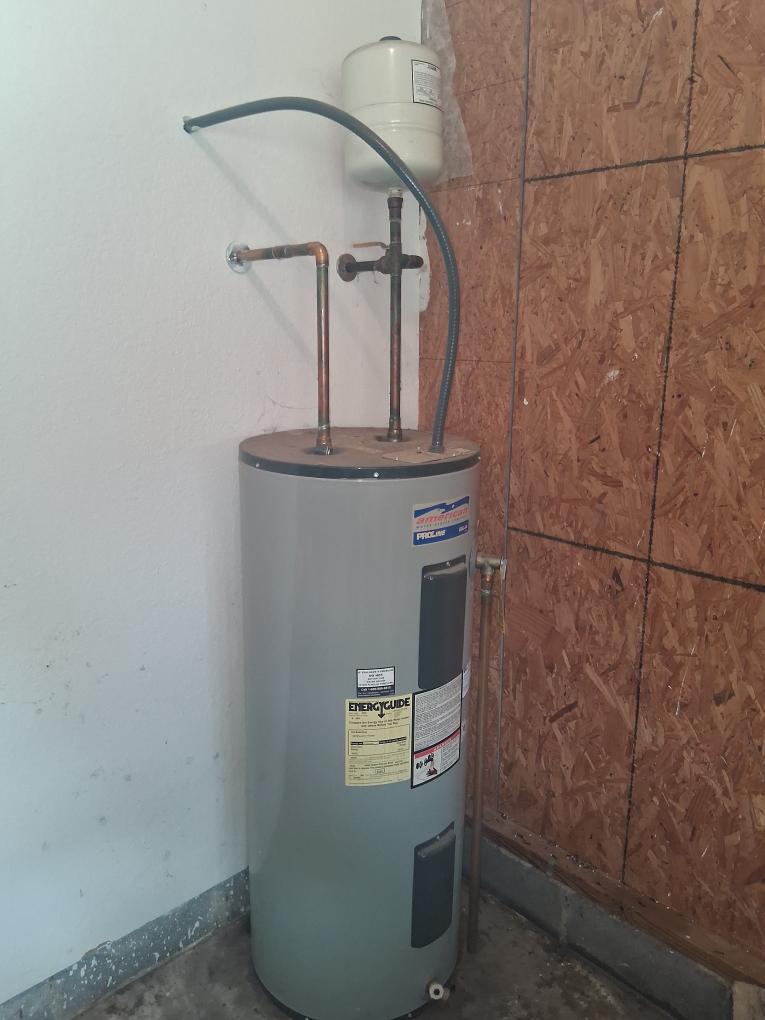
- Hook up pipes, valves, and any required expansion tank.
- Refill, power up, and test pressure and temperature settings.
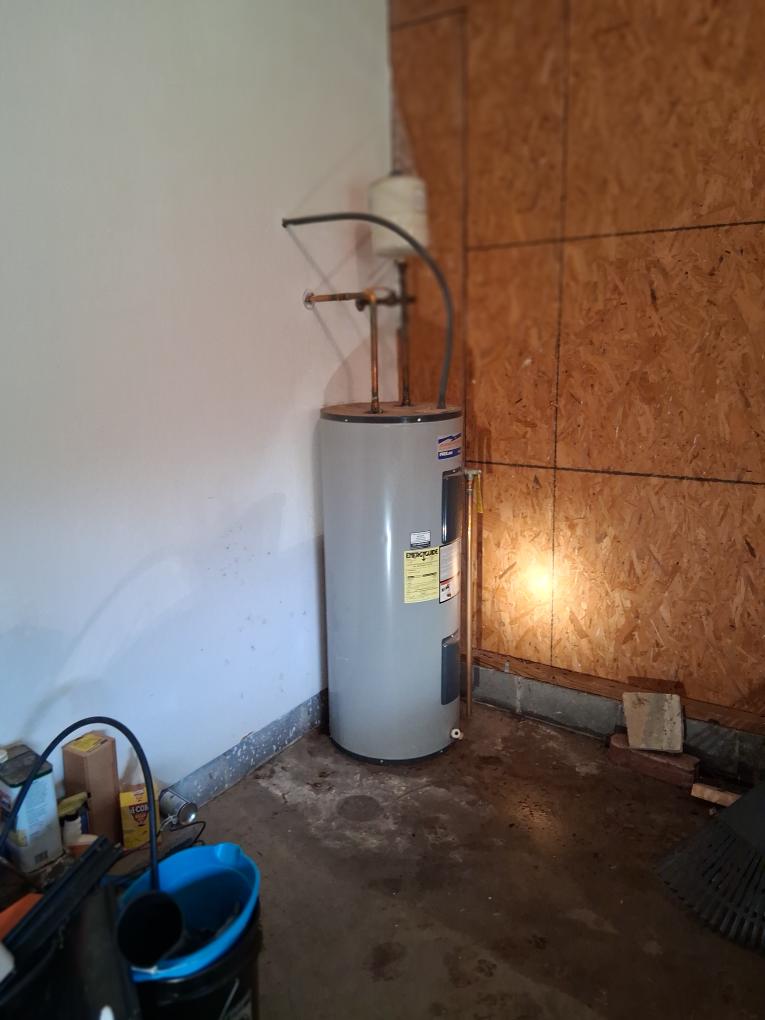
Here’s a look at a freshly installed unit in a garage setting—neat, accessible, and ready for years of trouble-free service:
Why Routine Maintenance Matters
After installation, keeping an eye on your water heater can extend its lifespan:
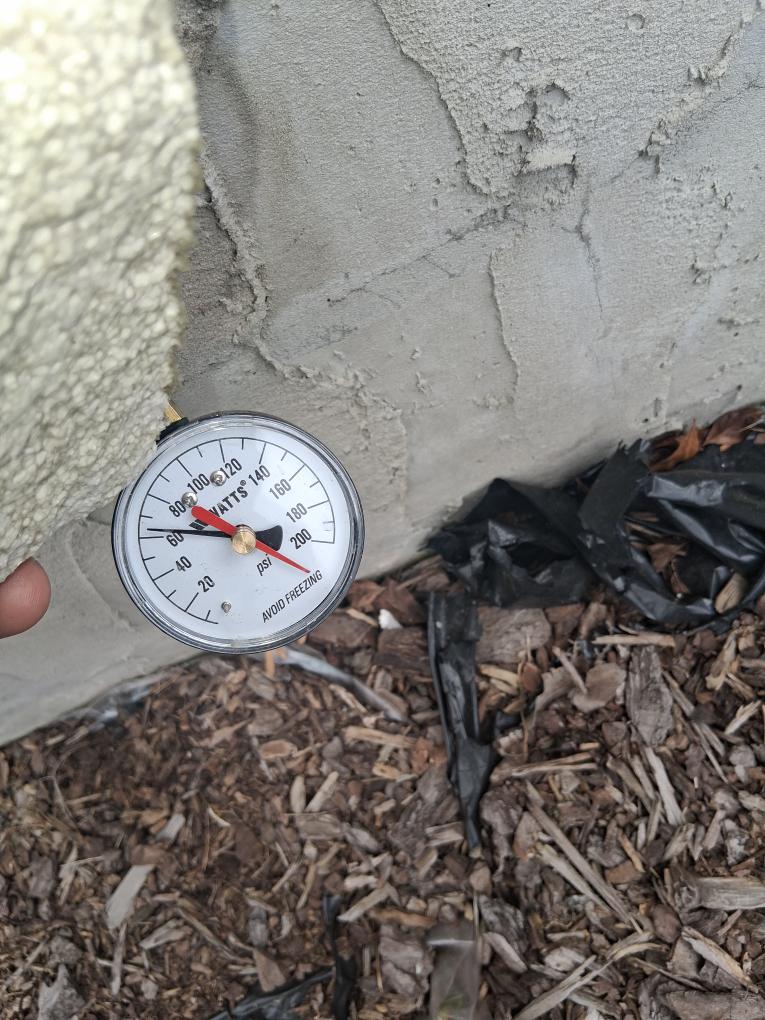
- Pressure Checks: Technicians use a pressure gauge to confirm safe operating levels.
- Flushing Sediment: Draining off built-up minerals every 6–12 months helps maintain efficiency.
- Inspecting Valves: Ensuring temperature-pressure relief valves and shut-offs work smoothly can prevent hazards.
A few simple steps now can save you from emergency repairs later.
Choosing the Right Replacement
When it’s time to pick a new unit, consider:
- Capacity: A 50-gallon tank suits most families, but larger households may need more.
- Energy Efficiency: Look for models with high Energy Factor (EF) ratings.
- Space & Accessibility: Make sure there’s room for future servicing and that the area stays dry and ventilated.
Always discuss local code requirements and warranty options with your installer.
Checklist Before Calling a HEP Technician
- Note the age of your water heater (usually on the manufacturer’s label).
- Look for early signs of leaks, rust, or corrosion.
- Measure available space and confirm the heater is accessible.
- Write down any noises or performance issues you’ve noticed.
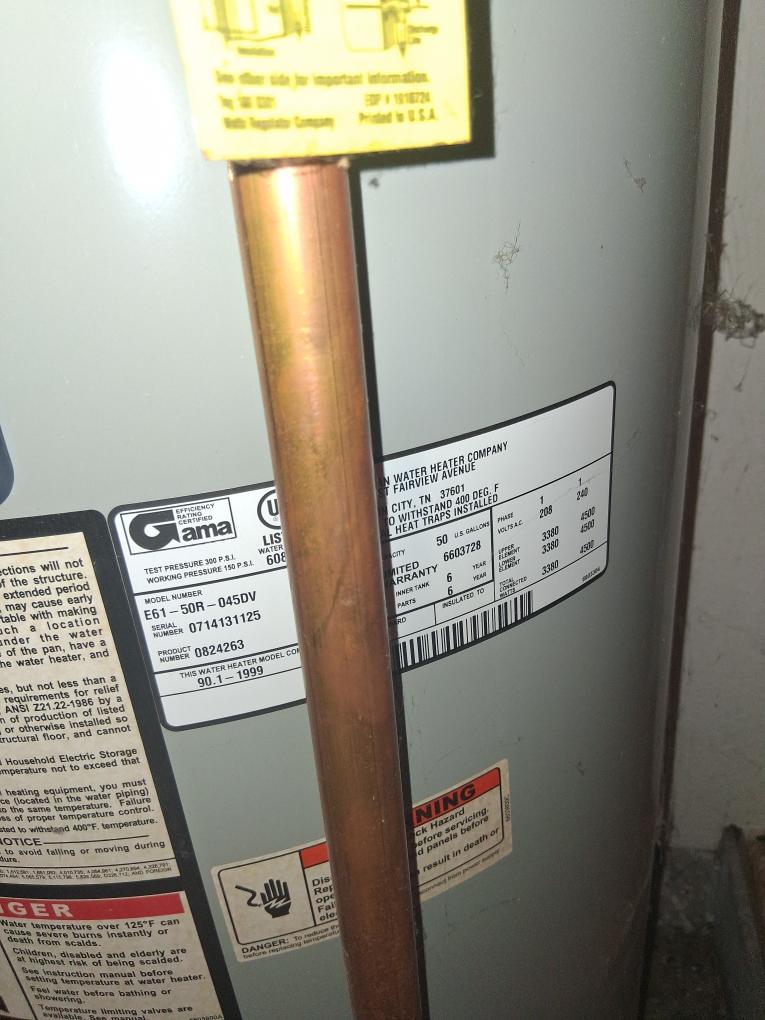
Having this information ready helps us perform a smooth, efficient service visit.
By staying informed and acting on early warning signs, homeowners in Apison can avoid unexpected cold showers and property damage. If you suspect your water heater is on its last legs, reach out to HEP for expert advice and professional installation—your peace of mind is our top priority.
Published on April 21, 2026